
Karnataka High Court Grants Bail To Former MUDA Commissioner In PMLA Case, Recognises 'Changed Circumstances' And Delay In Trial Introduction
Every rupee has a story. The question is—can the law prove it's a crime?
Karnataka High Court Grants Bail To Former MUDA Commissioner In PMLA Case, Recognises 'Changed Circumstances' And Delay In Trial
Introduction
Every rupee has a story. The question is—can the law prove it's a crime?
In today's world, crimes related to finance are no longer confined to secret bank accounts. With digital transactions and complex financial networks, tracing the flow of illegal money obtained from involvement in any criminal activity has become both a legal challenge and a technological battle. This is when the Prevention of Money Laundering Act (PMLA) 2002 was introduced to detect black money in the money market hidden under any shell company or in a charitable trust or any government-related schemes.
What is Money Laundering?
Money Laundering is a process of converting the money earned by engaging in illegal activities into an income that is genuinely earned. When criminals earn huge sums of money from engaging in any illegal activities, they cannot spend them as they wish, so they use money laundering to hide the cash earned and then use it to buy or invest in any property of their choice without coming under the eye of the law.
Three stages of Money Laundering
(i) Placement
This is the first stage of the money laundering process, where the dirty money is placed in a valid financial system through depositing small amounts of money in the bank or by purchasing assets of small value in a company, from preventing such money to become suspicious
(ii) Layering
The next step is to let money move around by a web of transactions, basically involving depositing money in various accounts globally and converting cash into cryptocurrency or buying luxury items of art and jewellery, which can be reselled. This will create confusion about the source of money
(iii) Integration
In the final stage of the money laundering process, the laundered money is then reintroduced as legal money and can now be used by them to invest in property, buy a house or buy any luxury items
Common Money Laundering Techniques
There are many money laundering techniques, which are as follows:-
· Structuring (Smurfing): Breaking large sums of cash into small amounts, less than the legal transaction to avoid reporting.
· Shell Companies: Creating paper-only corporations that exist entirely on paper with no real business operations to hide the true owners of the funds.
· Cash-Intensive Fronts: Blending illicit funds with the legitimate revenue of cash-heavy businesses like restaurants, car washes, or casinos.
· Cryptocurrency Exploitation: Using digital asset tools like crypto mixers, privacy coins, or decentralized finance (DeFi) platforms to mask digital transaction histories.
Landmark Cases
Vijay Madanlal Choudhary vs. Union of India (2022)
Nikesh Tarachand Shah vs. Union of India (2017)
Pankaj Bansal vs. Union of India (2023)
Conclusion
The Prevention of Money Laundering Act, 2002, plays a vital role in safeguarding India's financial system by preventing the use of illegally acquired money and ensuring that those involved in financial crimes are brought to justice. As economic offences become more sophisticated, the PMLA remains an essential tool for investigating and prosecuting money laundering.
FAQs
1.Who enforces the PMLA?
The Enforcement Directorate (ED) is the primary agency responsible for investigating and enforcing the PMLA.
2.Who must comply with PMLA requirements?
Reporting entities such as:-
· Banks
· Financial Institutions
· Insurance Companies
· Securities intermediaries
· Certain designated businesses and professions, as specified under the Act
3. What penalties can apply under the PMLA?
Depending on the offence and circumstances, penalties may include:-
· Imprisonment
· Monetary fines where provided by law
· Attachment and confiscation of proceeds of crime
4. What is the objective of anti-money laundering (AML) compliance?
AML compliance aims to:
· Prevent criminals from using the financial system.
· Detect suspicious transactions
· Report such transactions to the appropriate authorities.
· Support investigations into financial crime.
5. How does OLQ Law Firm help?
· Understanding the allegations and provisions invoked under the PMLA.
· Advising on how to respond to ED summons issued under the Act
· Preparing anticipatory or regular bail applications where legally available.
· Challenging provisional attachment of property before the Adjudicating Authority.
· Representing clients before Special PMLA Courts, High Courts, or the Supreme Court, depending on the stage of the case
· Explaining rights, procedural safeguards, and legal strategy based on the facts of the case.
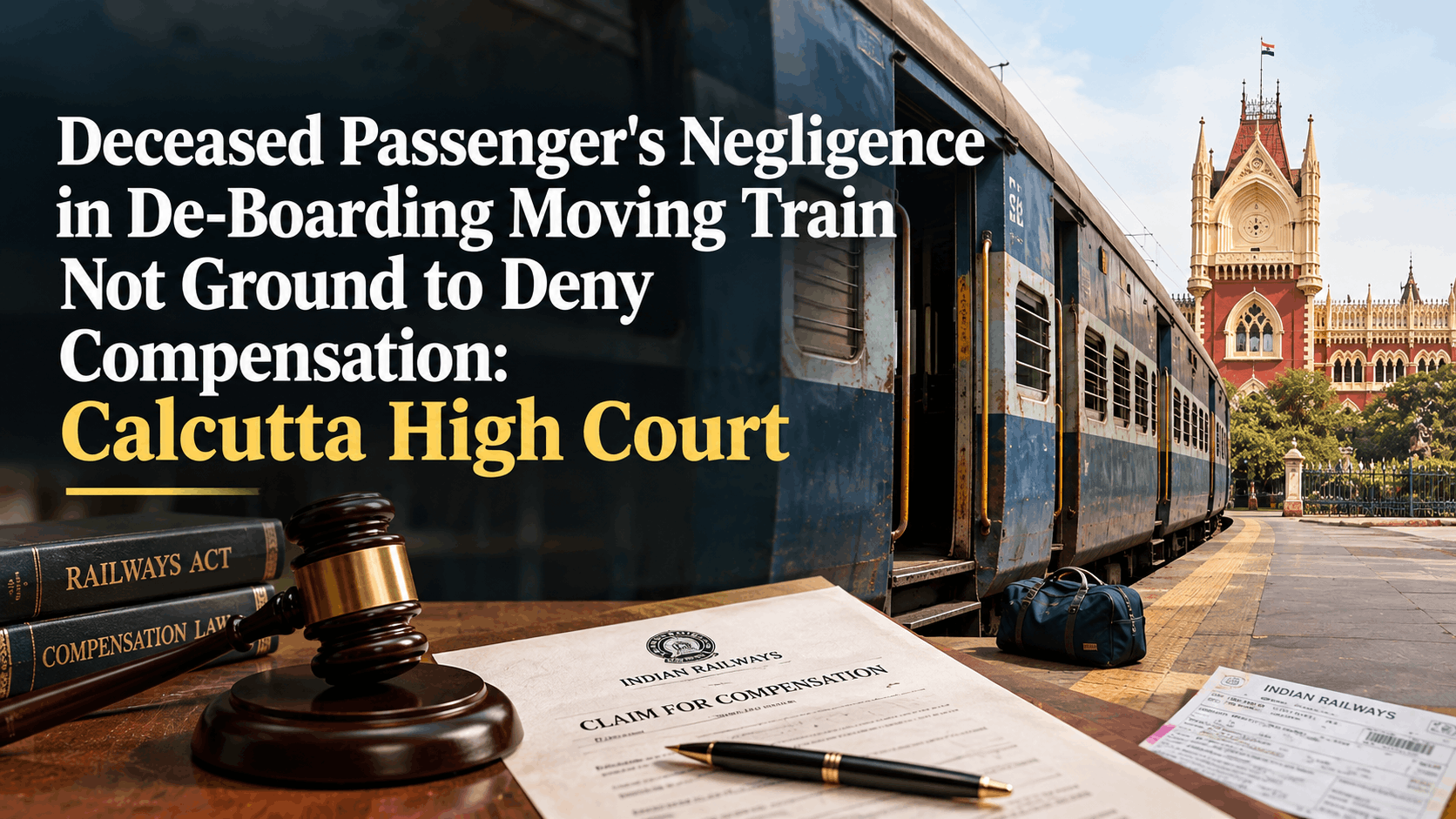


Deceased Passenger's Negligence in De-Boarding Moving Train Not Ground to Deny Compensation: Calcutta High Court
Deceased Passenger's Negligence in De-Boarding Moving Train Not Ground to Deny Compensation: Calcutta High CourtCase Det...
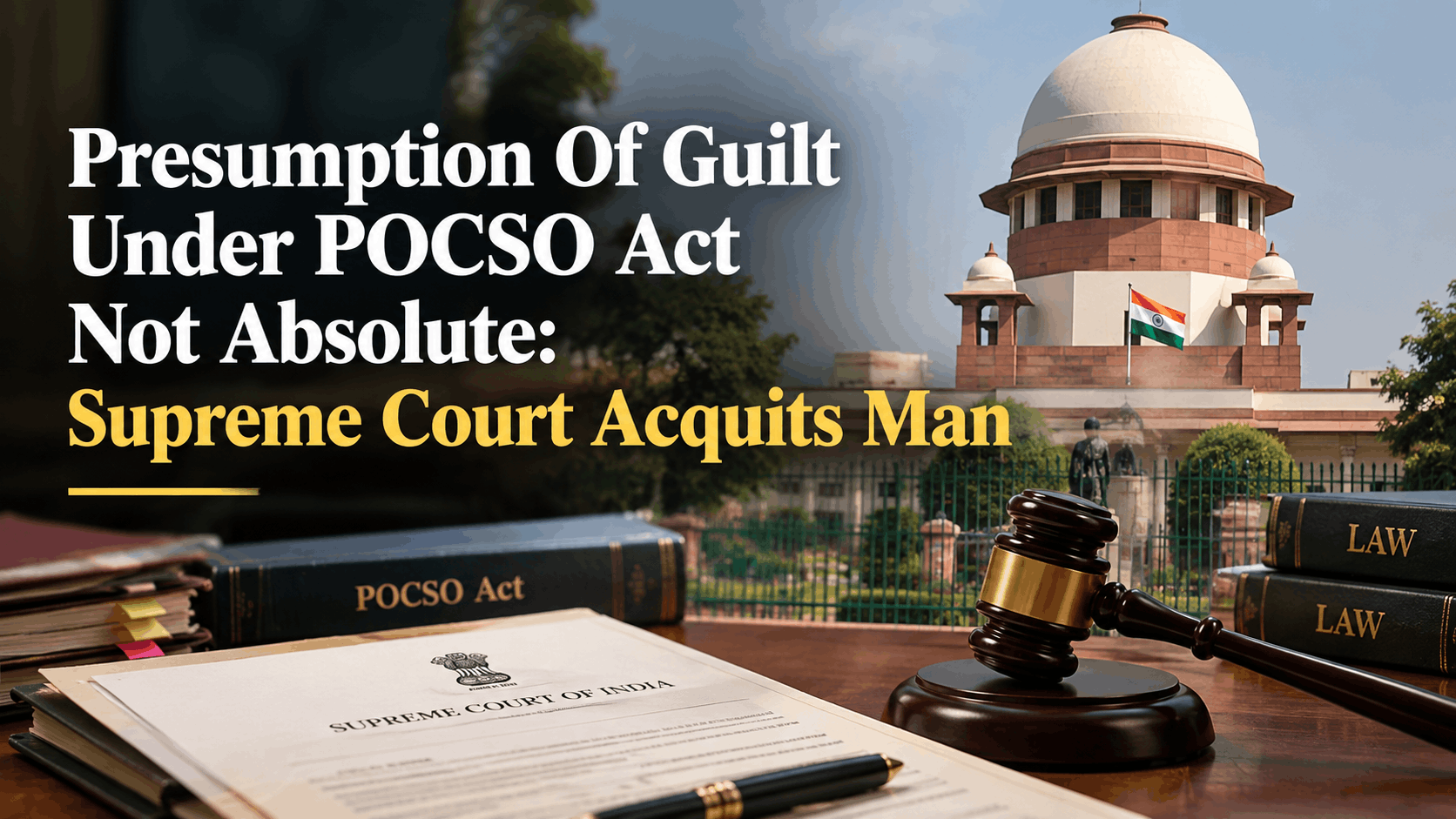
Presumption Of Guilt Under POCSO Act Not Absolute: Supreme Court Acquits Man
Presumption Of Guilt Under POCSO Act Not Absolute: Supreme Court Acquits Man Case DetailsCase Title: Deepak in JC v...
Delhi High Court Dismisses Vimal Elaichi's Plea Challenging FDA Notice To Shah Rukh Khan, Ajay Devgn, Tiger Shroff
Delhi High Court Dismisses Vimal Elaichi's Plea Challenging FDA Notice To Shah Rukh Khan, Ajay Devgn, Tiger ShroffCase D...