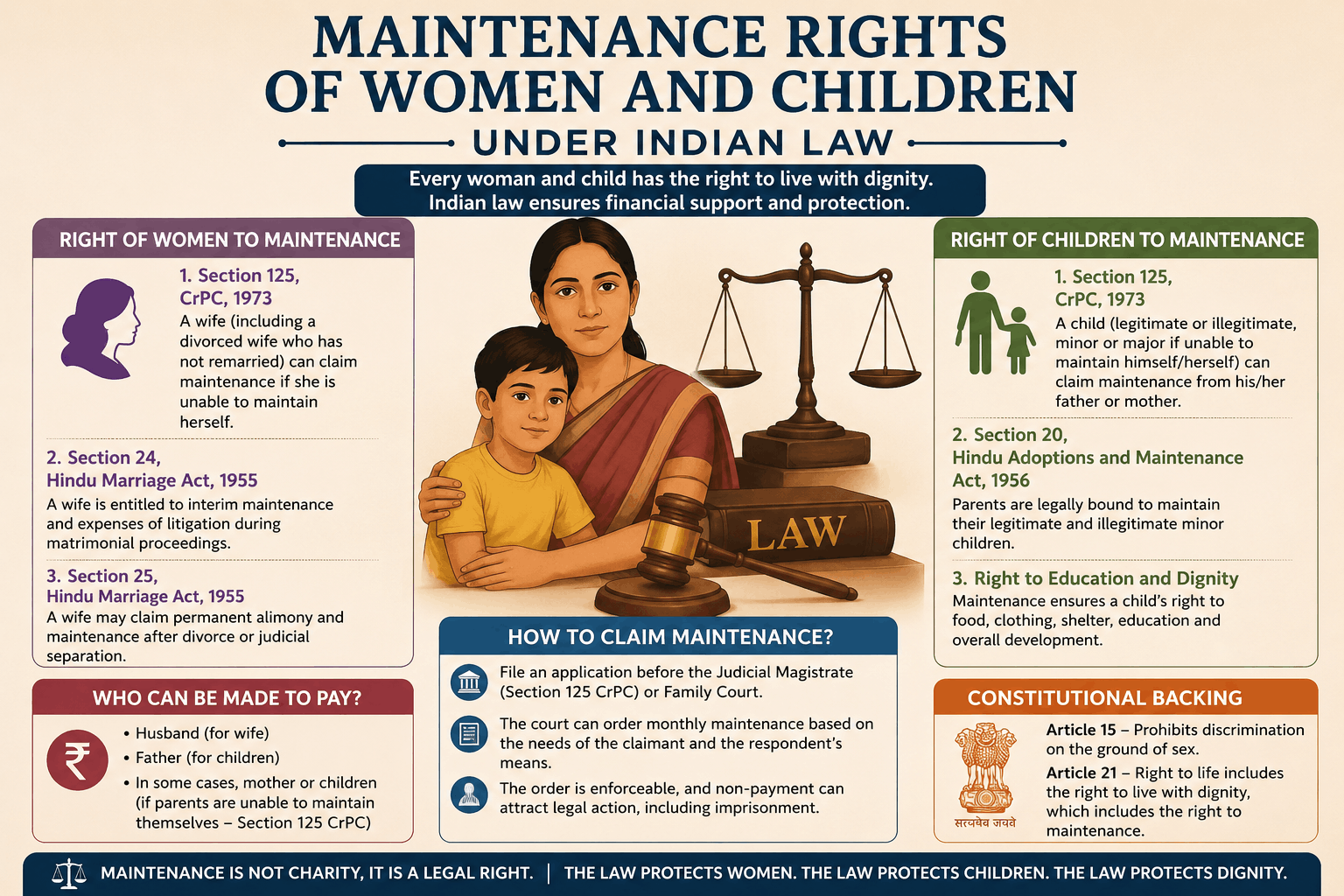
Maintenance rights of women and children under Indian law-Section 144 of the Bharatiya Nagarik Suraksha Sanhita (BNSS)
“No woman or child should be left helpless when the law exists to protect their dignity, rights, and survival.”
Introduction
Maintenance is an important legal right in India that helps women and children get financial support when they are dependent on their husband or father. It becomes important in situations where a person is unable to meet their daily expenses because the one responsible for providing support has failed to do so.
The purpose of maintenance is to make sure basic needs like food, shelter, clothing, education, and medical care are taken care of. It gives financial security and helps a person live with dignity.
In India, the law provides different ways to claim maintenance. Some laws apply to everyone, while some are based on personal religious laws. Together, these laws work to protect the rights of women and children and ensure they are not left without support.
Maintenance in Indian law
In India, maintenance is divided into two parts: secular law and personal laws
1. Secular and Universal Laws
These laws are secular in nature, and religion does not matter under them, and applies to all.
Section 125 of the Code of Criminal Procedure (CrPC ) or Section 144 of Bharatiya Nagarik Suraksha Sanhita ( BNSS) :
This is the most common law used for maintenance. It acts as a fast-track law and gives a quick remedy to wives, children, and even applies to parents if they are unable to maintain themselves. If a man has sufficient income and still refuses to take care of them, the Magistrate can order him to pay monthly maintenance.
This law aims to help the dependent person in the family and says that no dependent person should be left helpless.
Protection of Women from Domestic Violence Act, 2005:
This act gives a civil remedy for women who face abuse at home. This act not only protects women from violence but also provides financial relief as compensation for loss of income, medical treatment, and daily expenses.
2. Personal Laws ( religion-specific)
When parties prefer to resolve their disputes within their religious framework, this law plays a major role, as different religions also have their own rules regarding maintenance
Hindu Law:
Under Hindu law, the Hindu Adoption and Maintenance Act, 1956 provides a wife the right to claim maintenance from the husband if he neglects her. A wife can live separately from her husband and can still claim maintenance, mostly in cases like cruelty, desertion, or other valid reasons.
Additionally, the Hindu Marriage Act, 1955, also provides maintenance during the case and after divorce.
Muslim Law:
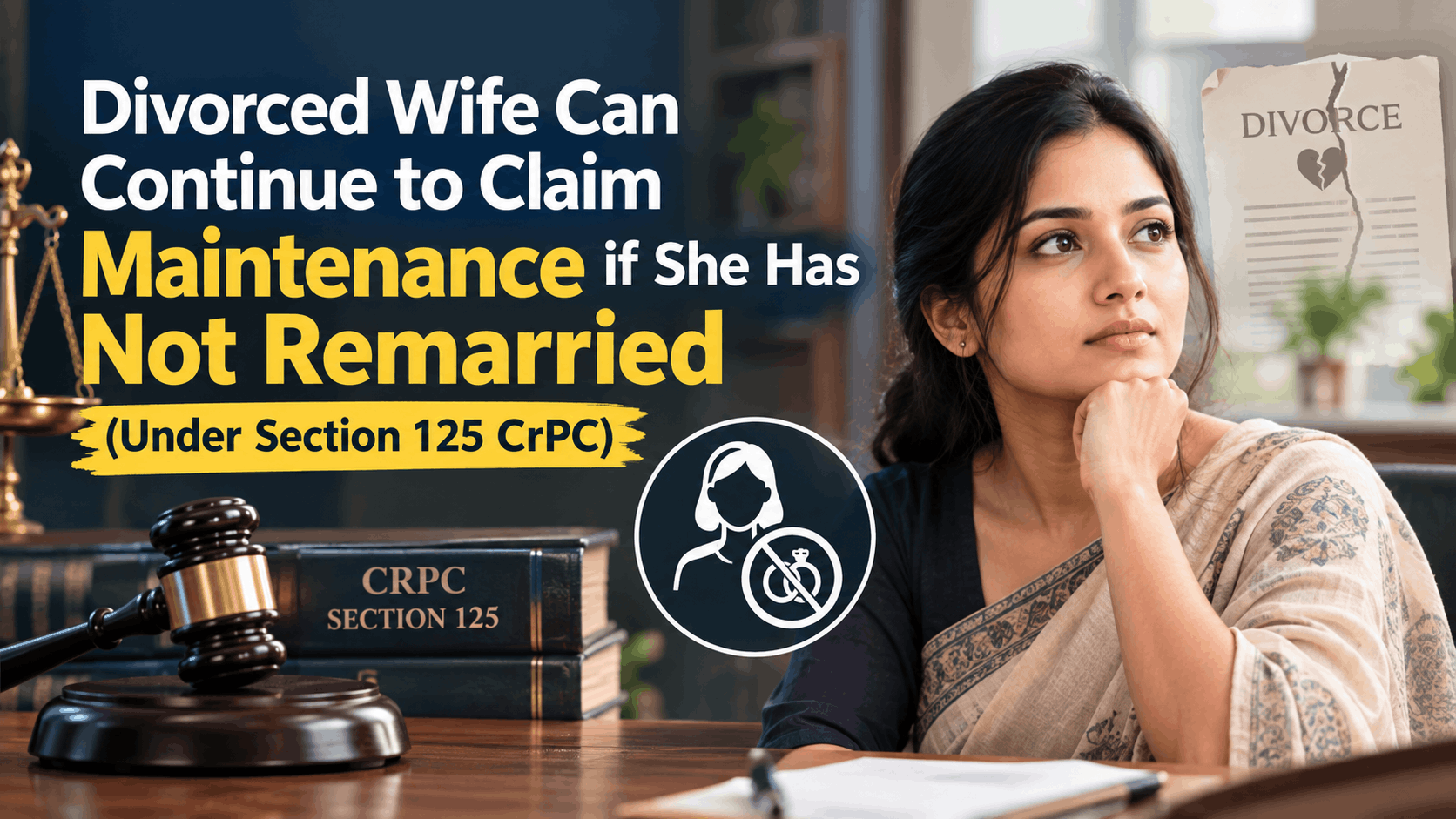
Under the Muslim Women ( Protection of Rights on Divorce) Act,1986, a divorced woman has the right to get fair financial support from her husband, which also covers the iddat period. The Supreme Court of India has ruled that a divorced woman can also claim lifelong maintenance, and under Section 125 of the CrPC, if she remains unmarried and is unable to support herself.
Christian and Parsi Law
Christian women can claim maintenance under the Indian Divorce Act, 1869. This allows for both temporary and permanent alimony.
Parsi women also have similar rights and are protected under the Parsi Marriage and Divorce Act, 1936. The court looks at the husband’s earnings and property before deciding the amount.
Rights of Children for Maintenance
Children also hold an absolute legal right to maintenance.
Minor Children
Both legitimate and illegitimate minor children who are below 18 years old have the unconditional right to get maintenance from their father.
Unmarried Daughters
An unmarried daughter can claim maintenance from her parents until marriage. This may also include expenses related to her marriage.
Adult Children
Usually, parents are not required to maintain adult children. But if the child has any physical or mental disability and cannot earn, the parents must continue to support them
Types of Maintenance
Maintenance is generally given in two forms.
Interim Maintenance
This is temporary maintenance given while the case is still going on. It helps the wife manage her daily expenses and legal costs during the case.
Permanent Maintenance
This is given after the final decision of the court. It can be paid either as a lump sum amount or as monthly payments.
Conclusion
Maintenance is an important right because it helps women and children when they do not have enough financial support. In many cases, after separation, divorce, or family problems, it becomes hard for them to manage daily expenses. This is where the law helps by making sure they get the support they need.
A husband or father has a responsibility to take care of his family. This is not only a family duty but also a legal duty. If he has the means to support them, he cannot simply refuse to do so. The law is there to make sure that women and children are not left to struggle alone.
For women, maintenance can help them handle basic needs and live with respect. For children, it is important for their studies, health, and everyday life. Without proper support, it can become difficult for them to grow and live properly.
At the end, the idea of maintenance is very simple. It is about giving support where it is needed and making sure that no one is left without basic care. It helps bring some security and balance during difficult times and protects the rights of those who depend on others.
FAQs
OLQ LAW FIRM: Protecting Your Right to Financial Support
1. What is maintenance under Indian law?
Maintenance means financial support given to a wife, child, or parents who cannot maintain themselves.
2. Which law provides maintenance rights?
Maintenance can be claimed under Section 125 of the Bharatiya Nagarik Suraksha Sanhita, 2023, personal laws, and the Protection of Women from Domestic Violence Act, 2005.
3. Can a wife claim maintenance after divorce?
Yes, if she is unable to maintain herself, she can claim maintenance.
4. Can children claim maintenance?
Yes, minor children and in some cases, major dependent children can claim maintenance.
5. Can a working woman claim maintenance?
Yes, if her income is not enough to support her basic needs.
6. Can maintenance be claimed without divorce?
Yes, a wife can claim maintenance even while living separately from her husband.
7. How is the maintenance amount decided?
The court considers income, living standard, needs of the claimant, and responsibilities of the person paying.
8. Can maintenance be changed later?
Yes, the amount can be increased or reduced if circumstances change.
9. What happens if maintenance is not paid?
The court can take legal action against the person who fails to pay.
10.How can OLQ help?
· Legal advice on maintenance rights
· Filing maintenance petitions
· Court representation
· Child support claims
· Recovery of unpaid maintenance
Contact OLQ for professional legal consultation and support on maintenance matters.
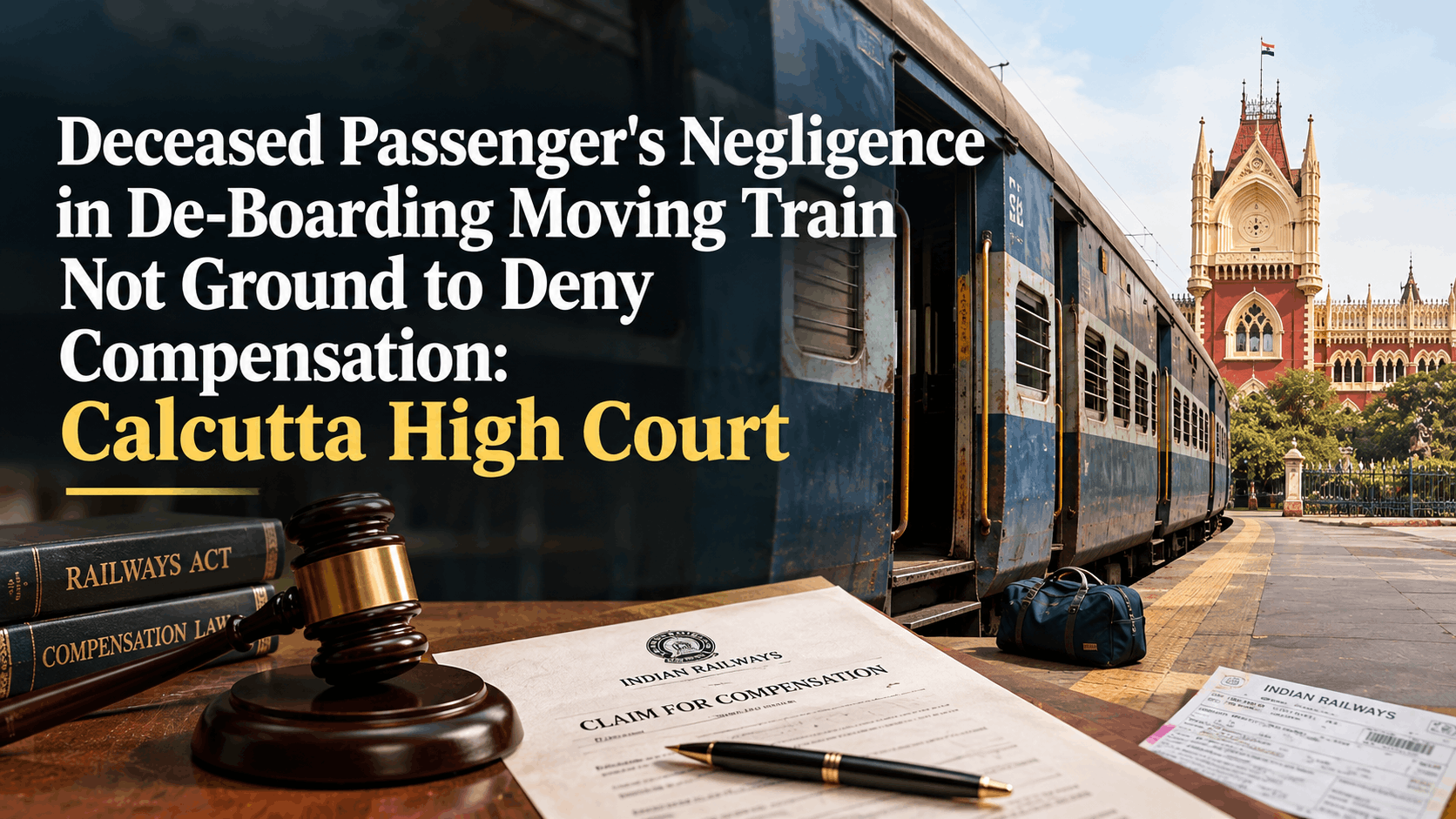
Deceased Passenger's Negligence in De-Boarding Moving Train Not Ground to Deny Compensation: Calcutta High Court
Deceased Passenger's Negligence in De-Boarding Moving Train Not Ground to Deny Compensation: Calcutta High CourtCase Det...
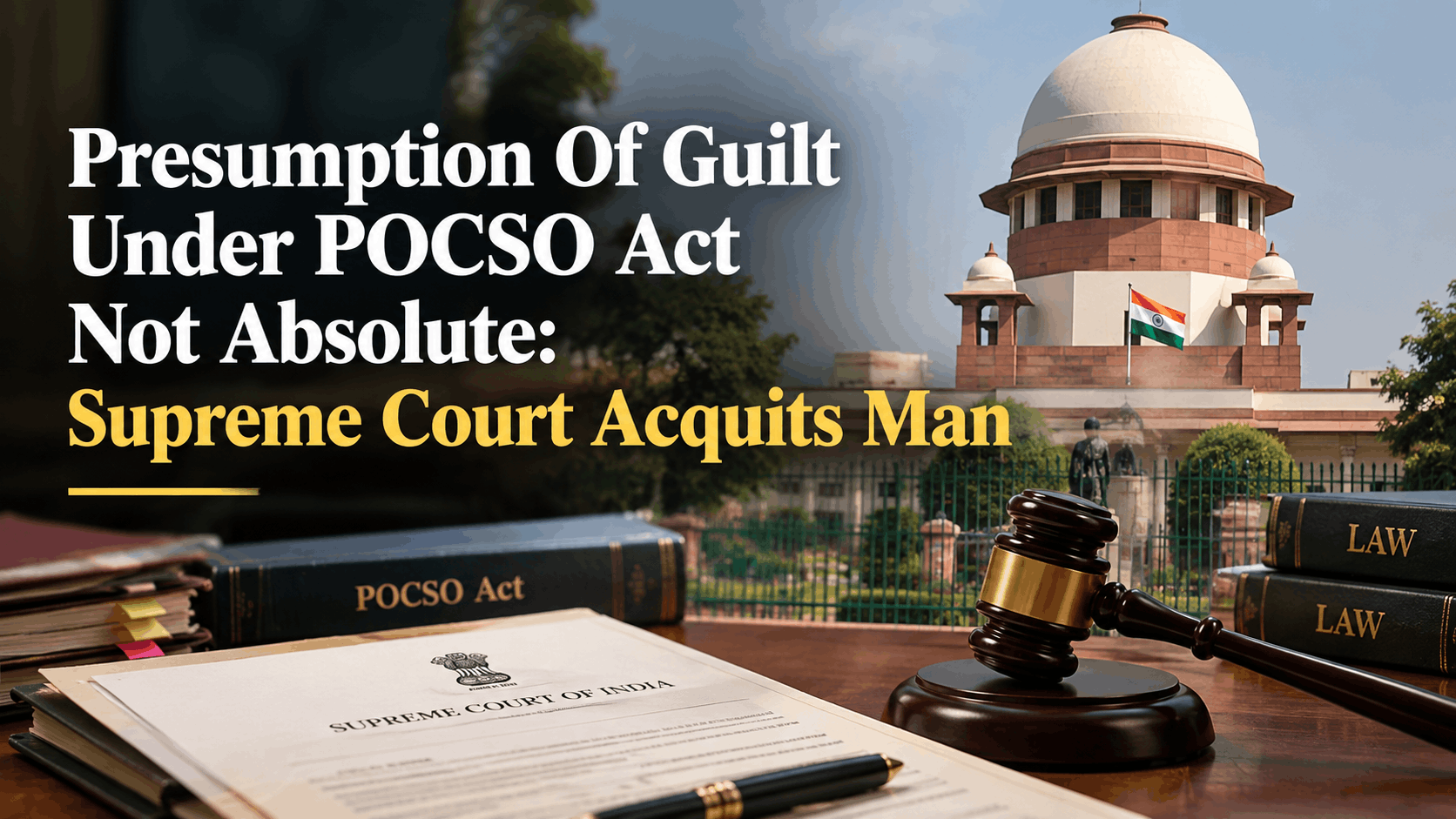
Presumption Of Guilt Under POCSO Act Not Absolute: Supreme Court Acquits Man
Presumption Of Guilt Under POCSO Act Not Absolute: Supreme Court Acquits Man Case DetailsCase Title: Deepak in JC v...
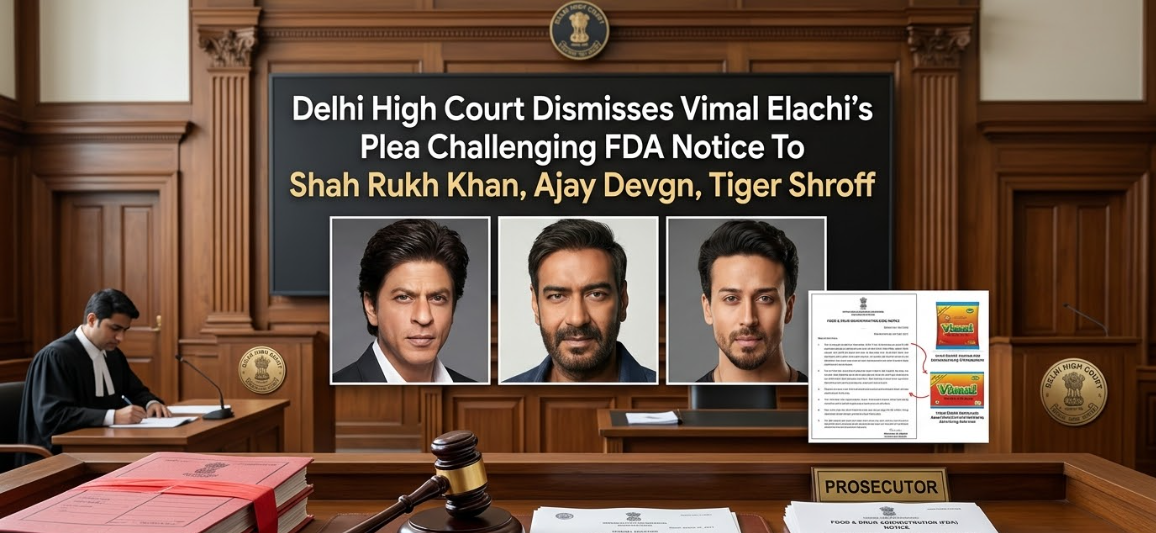
Delhi High Court Dismisses Vimal Elaichi's Plea Challenging FDA Notice To Shah Rukh Khan, Ajay Devgn, Tiger Shroff
Delhi High Court Dismisses Vimal Elaichi's Plea Challenging FDA Notice To Shah Rukh Khan, Ajay Devgn, Tiger ShroffCase D...