
Big Relief from Supreme Court: Plaint Cannot Be Rejected If Cause of Action Exists – Marg Ltd Case Explained
Supreme Court clarifies Order VII Rule 11 CPC: plaint must not be rejected if it shows a triable issue; restores Marg Ltd case for trial.
Cause Title & Bench
M/s. Marg Limited vs Sushil Lalwani & Ors.
Bench
Justice Pamidighantam Sri Narasimha & Justice Alok Aradhe
Overview
The Supreme Court has clarified an important legal principle: a plaint should not be rejected at the initial stage if it shows a real dispute that needs trial.
In this case, the Court set aside the Madras High Court’s decision which had rejected a plaint under Order VII Rule 11 of the Code of Civil Procedure (CPC).
Background of the Case
The appellant company, M/s Marg Limited, developed a commercial IT property in Chennai.
Due to financial issues, the company took loans and later entered into a settlement with the bank.
Meanwhile, it entered into a commercial arrangement with the respondents involving:
Sale of property
Additional payment linked to leasing and refurbishment
A Memorandum of Agreement (MoA) was drafted and negotiated through WhatsApp and legal team.
Even though:
The MoA was signed only by the appellant,
The sale deeds were executed,
The appellant claimed that ₹53 crore balance under the MoA was unpaid.
What Happened in Lower Courts?
Trial Court
Refused to reject the plaint
Held that the case requires full trial and evidence
High Court (Madras)
Reversed the trial court
Held that:
MoA was not a valid contract
Sale was already completed
No cause of action existed
Rejected the plaint under Order VII Rule 11 CPC
Supreme Court’s Key Findings
1. Plaint Must Be Read Fully, Not Selectively
The Court emphasized that:
A plaint must be read as a whole
Not by picking isolated sentences
If the facts show a dispute, trial is necessary.
2. Cause of Action Was Clearly Present
The Court found that the plaint showed:
A negotiated commercial arrangement
Partial execution (sale deeds)
Alleged non-payment of ₹53 crore
Continuous communication and obligations
Therefore, it was not a baseless or empty claim.
3. High Court Conducted a “Mini Trial” (Not Allowed)
The Supreme Court strongly criticised the High Court for:
Examining validity of MoA
Deciding disputed facts
At Order VII Rule 11 stage, courts cannot test evidence or merits.
4. Unsigned Agreement Can Still Raise Dispute
Even though the MoA was not signed by respondents:
Negotiations
Conduct of parties
Execution of sale deeds
These factors were enough to create a triable issue.
5. Court Fee Issue: Plaintiff Must Get Opportunity
On undervaluation and court fee:
The High Court directly rejected the plaint
Supreme Court said this was wrong
Law requires:
Court identifies deficiency
Gives time to correct it
Only if the plaintiff fails - plaint can be rejected
Supreme Court’s Final Decision
High Court order set aside
Trial court order restored
Plaintiff to be given opportunity to:
Correct valuation
Pay proper court fee
Case will now proceed for full trial
Key Legal Principles
Order VII Rule 11 CPC is strict but limited
Court must only check:
Whether cause of action exists
Court cannot:
Evaluate evidence
Decide disputed facts
Court fee defects are curable
Contact OLQ Law Firm for Legal Assistance
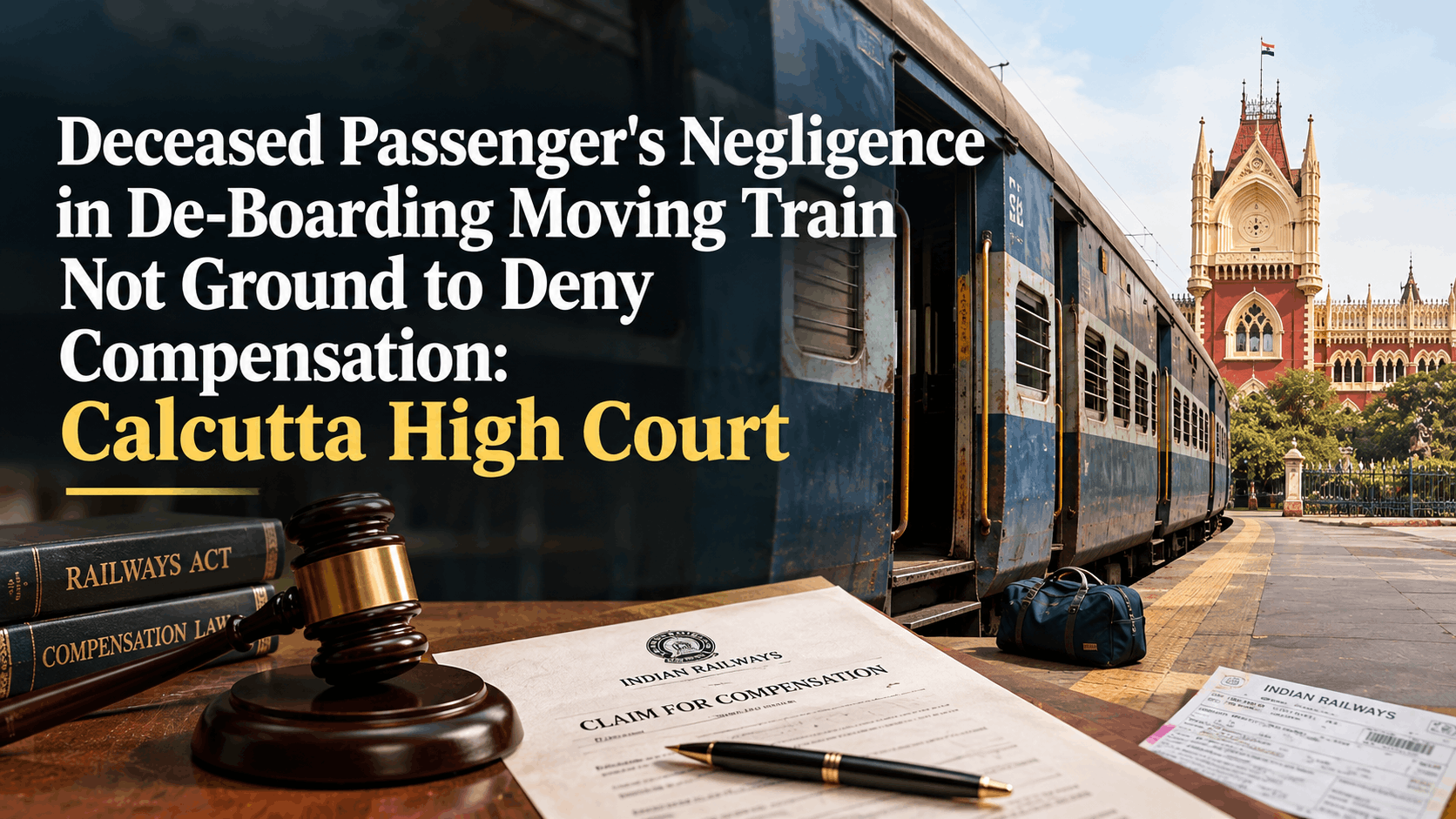
Deceased Passenger's Negligence in De-Boarding Moving Train Not Ground to Deny Compensation: Calcutta High Court
Deceased Passenger's Negligence in De-Boarding Moving Train Not Ground to Deny Compensation: Calcutta High CourtCase Det...
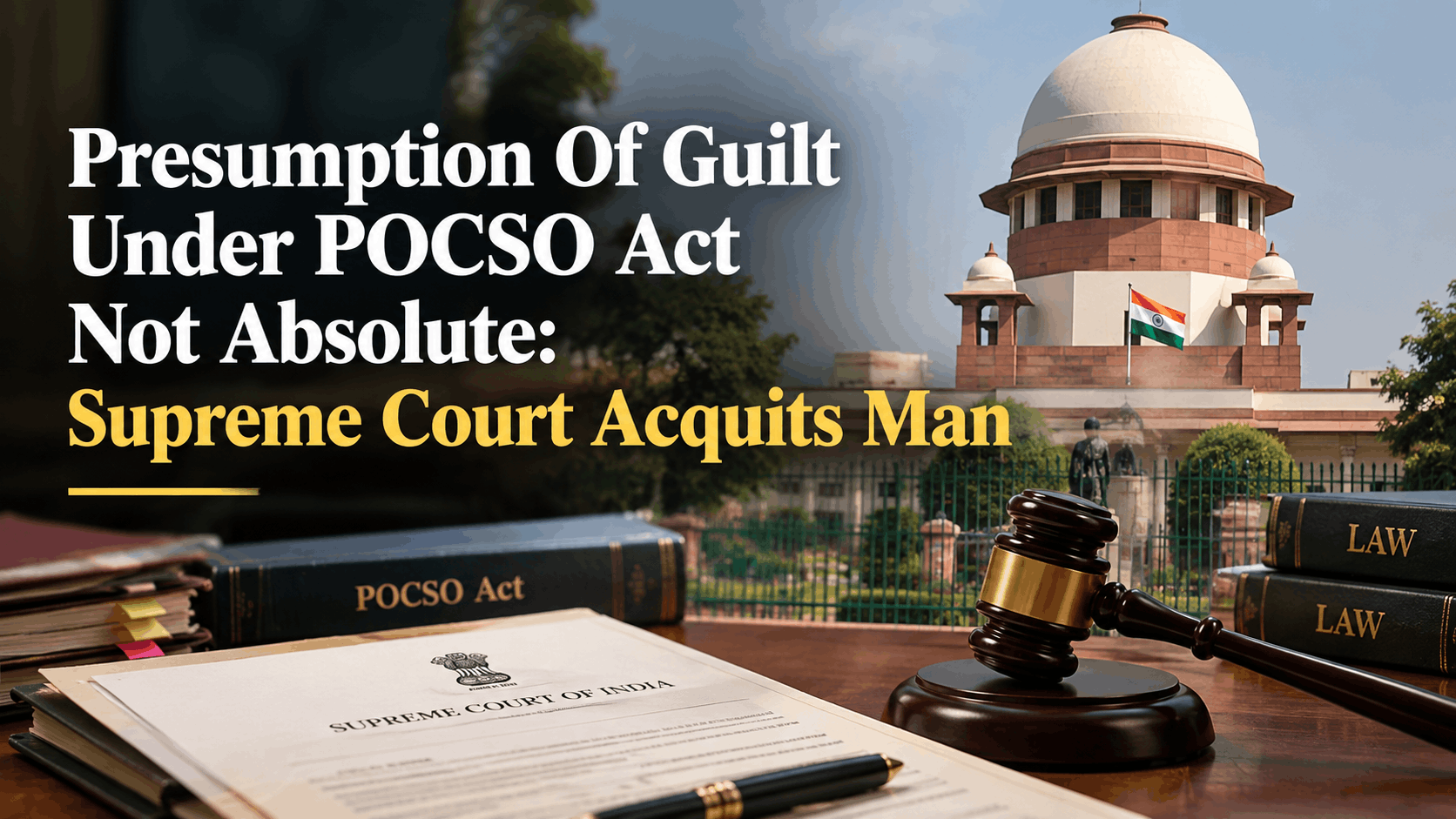
Presumption Of Guilt Under POCSO Act Not Absolute: Supreme Court Acquits Man
Presumption Of Guilt Under POCSO Act Not Absolute: Supreme Court Acquits Man Case DetailsCase Title: Deepak in JC v...
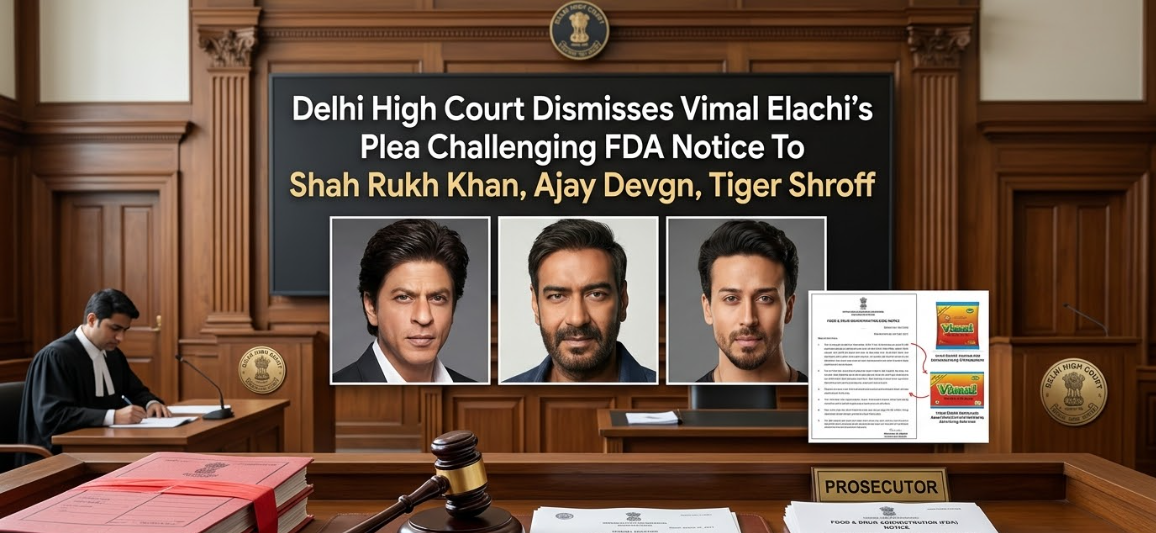
Delhi High Court Dismisses Vimal Elaichi's Plea Challenging FDA Notice To Shah Rukh Khan, Ajay Devgn, Tiger Shroff
Delhi High Court Dismisses Vimal Elaichi's Plea Challenging FDA Notice To Shah Rukh Khan, Ajay Devgn, Tiger ShroffCase D...