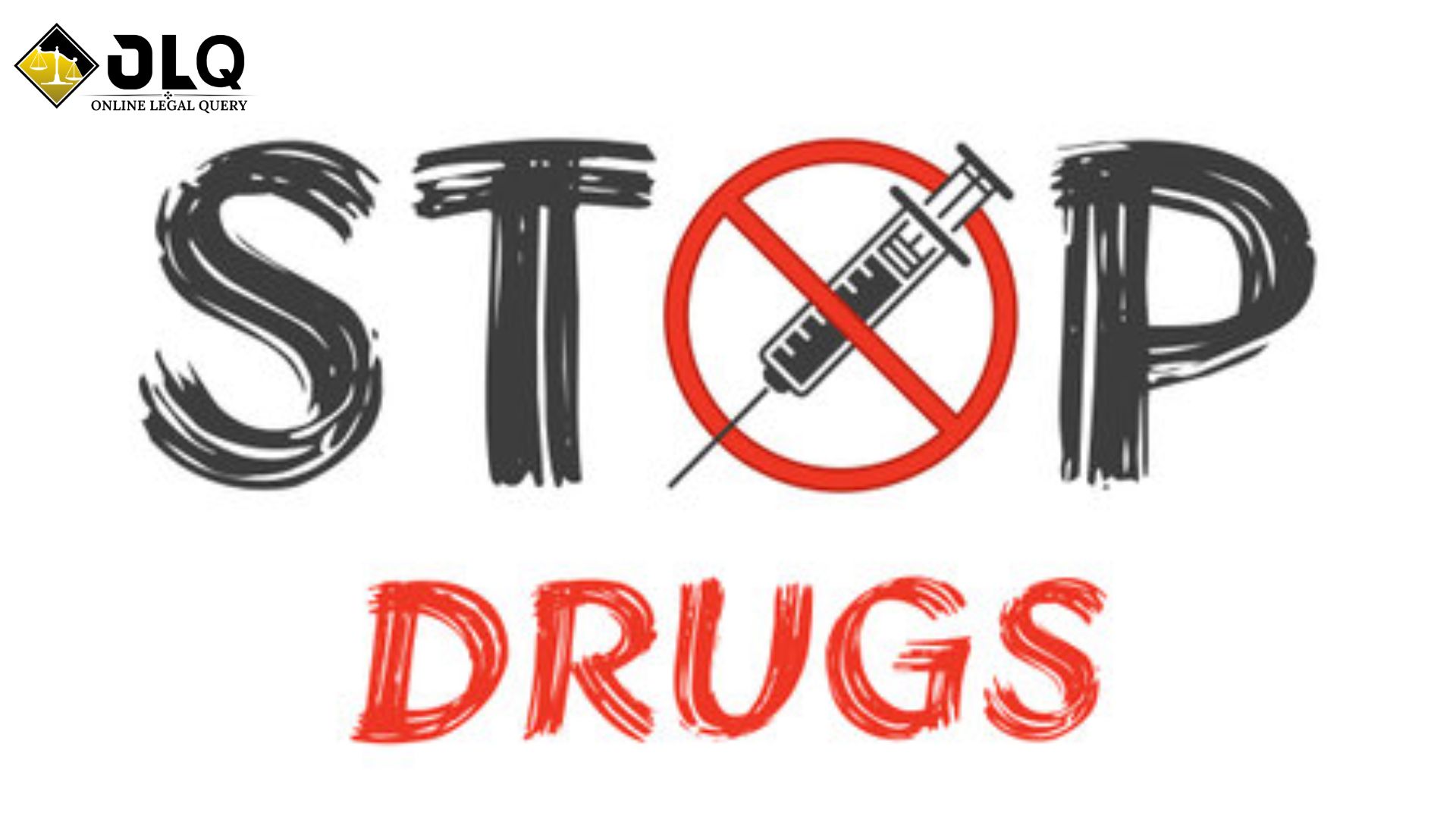
INDIA;S SILENT CRISIS: The Alarming Rise of Drug Abuse Among Youth.
India is facing a growing drug abuse crisis among its youth, driven by peer pressure, social media influence, academic stress, and easy access to narcotics and synthetic substances. This blog explores the root causes, warning signs, and legal frameworks like the NDPS Act, along with government initiatives such as NAPDDR. It emphasizes the urgent need for awareness, open communication, and rehabilitation to protect the nation’s most promising generation
Under the surface of India’s rapid technological growth, educational achievements, and booming youth over population lies a disturbing reality-a silent crisis of drug abuse among young people. What was once viewed as a small issue is now rapidly becoming a public health emergency.
Driven by peer pressure, social media glorification, academic stress, and easy availability, a growing number of teenagers and young adults are turning to narcotics, prescription drugs, and synthetic substances. While conversations around career and performance are heard about streets and classrooms, the mental health and emotional struggles of young Indians often remain ignored-pushing them toward dangerous life-threatening forms of relief.
In this blog, we explore how modern influences are giving rise to this crisis, what signs to watch for, and what India needs to do to protect its most promising generation.
KEY ASPECTS OF THE CRISIS
1. Peer Pressure and the Need to “Fit In”.
The youngsters and young adults are at the age where they want to fit in, find themselves and social status. Drugs are part of a social rite of passage; it is believed that they help to bond, experiment or get acceptance by peers. There is a social risk of saying the word no in a group during things like college at hostels or in college parties or even in schools like elite schools.
This fear to look uncool or to be rejected could be the foundation of the first step towards habit forming behaviours and at times even before they understand the risk.
2. Social Media Glamorization.
Platforms like Instagram, Snapchat, and even certain music videos or influencer content often normalize or glamorize drug use, and party culture imagery create an illusion and romanticize that substance use is trendy or harmless.
Without proper awareness, impressionable minds begin to equate drug use with success, rebellion, or confidence-rarely seeing the side that involves addiction, mental breakdown, or criminal consequences.
3. Academic Pressure and Emotional Isolation.
The race of education has always been a stress in India. The students get exploited due to excessive emphasis on the entrance tests; pressure placed on them by their families as well as the lack of emotional support they receive. This pressure along with lack of mental health infrastructure in the schools and colleges makes some self-medicate with drugs as a way to combat the stressful fear of leaving home, insomnia or depression.
One thing is that often people get addicted not in order to experience thrill, but cope.
4. Easy Access and New-Age Drugs.
What makes this crisis more alarming is the increasing availability of synthetic and prescription drugs. From marijuana and hash to LSD, MDMA, and cough syrups misused as intoxicants, the options are vast-and often cheap.
Online drug markets, Telegram channels, and loosely monitored pharmacies make acquisition easier than ever. Many users don’t even know what they’re consuming, leading to severe health consequences or fatal overdoses.
5. Lack of Awareness and Communication.
In many Indian families, substance use is a taboo topic. Conversations around drugs are often met with denial, blame, or silence. This lack of dialogue leads to:
- Ignorance of warning signs,
- Delayed interventions,
- Shame among youth who may want help but fear judgement.
Without open communication and early education, prevention becomes difficult, and rehabilitation becomes the only option-sometimes too late.
LEGAL BACKING AND GOVERNMENT ACTION
1. Narcotic Drugs and Psychotropic Substances (NDPS) Act, 1985.
This is the primary legislation regulating narcotic drugs and psychotropic substances in India.
- Section 8: Prohibits the production, possession, sale, purchase, transport, and use of narcotic drugs or psychotropic substances except for medical or scientific purposes.
- Sections 21 & 22: Penalize illegal possession and consumption, with punishments ranging from 6 months to 20 years imprisonment, depending on the quantity.
- Section 27: Specifically deals with personal consumption; courts may impose lesser punishment or refer the offender to de-addiction treatment.
- Section 64A: Provides immunity from prosecution for addicts who voluntarily seek treatment in a recognized de-addiction center.
This ensures that addiction is seen not only as a criminal issue but also as a health and rehabilitation concern.
2. Right to Health and Protection – Article 21 of the Constitution of India.
- The Right to Life under Article 21 has been interpreted by the Supreme Court to include the right to health, dignity, and mental well-being.
- State failure to protect youth from harmful substances or provide access to mental health and de-addiction services can be challenged as a violation of this right.
3. Article 47 – Directive Principles of State Policy.
- Mandates the State to work toward prohibiting the consumption of intoxicating drinks and drugs harmful to health.
- Although not enforceable in court, this guides government policy and legislation, including the NDPS Act and national awareness programs.
4. National Action Plan for Drug Demand Reduction (NAPDDR).
Launched by the Ministry of Social Justice and Empowerment, this plan aims to:
- Create awareness among youth and school children.
- Provide counselling, rehabilitation, and skill development for recovering addicts.
- Train school teachers and community leaders to identify signs of addiction.
The plan recognizes that addiction is both a legal and a social problem requiring grassroots-level intervention.
5. Juvenile Justice (Care and Protection of Children) Act, 2015.
This Act provides a protective framework for minors involved in substance abuse:
- Defines children addicted to drugs as “children in need of care and protection.”
- Allows for their rehabilitation through shelter homes, counselling, and therapy.
- Prohibits children from being kept in police lock-ups or jails.
- Emphasizes restorative justice rather than punishment.
CBSE and UGC Guidelines for Educational Institutions.
The Central Board of Secondary Education (CBSE) and University Grants Commission (UGC) have issued advisories to schools and colleges to:
- Conduct drug awareness campaigns,
- Appoint counsellors, and
- Include substance abuse education in the curriculum.
FAQs
Q1. Is drug use by minors treated differently under Indian law?
Yes. While the NDPS Act applies, minors may be sent for rehabilitation rather than jail, especially if it’s a first-time offense and help is voluntarily sought.
Q2. Can a student be expelled for drug use?
Yes. Schools and colleges may suspend or expel students caught with drugs, but many also offer counselling and referral to de-addiction programs as part of corrective action.
Q3. Are over-the-counter medications like cough syrups part of the problem?
Yes. Many youths misuse easily available substances like codeine-based cough syrups, sedatives, or sleeping pills for a high. Regulation is weak in many places.
Q4. What can parents do to prevent drug abuse?
Start early conversations, listen without judgement, stay informed, and watch for behavioral changes like isolation, aggression, or drop in academic performance.
Q5. Where can someone seek help for addiction?
Help is available through:
- Government-run de-addiction centers
- NGOs like Nasha Mukt Bharat Abhiyan
- Mental health professionals
- Confidential helplines (e.g., 14446 – India’s National Drug De-Addiction Helpline)
CONCLUSION
The rise of drug abuse among India’s youth is no longer a hidden problem-it’s a silent crisis reaching limits with each passing year. While laws exist, and initiatives have been launched, what’s truly missing is open dialogue, consistent awareness, and early precautions.
Young people don’t abuse drugs just of fun or intoxication rather, reacting to a system that often prioritizes pressure over peace, performance over emotional well-being. As parents, teachers, institutions, and policymakers, we need to listen more, judge less, and act faster.
Because saving one child from addiction isn’t just a personal victory-it’s a step toward healing an entire generation.

Supreme Court Grants Bail After 9 Years of Custody, Reiterates Right to Speedy Trial Under Article 21
Case TitleVaibhav Singh v. State of Uttar PradeshSLP (Crl.) No. 7416/2026BenchJustice J.B. Pardiwala and Justice Ujjal B...
Supreme Court: No Anticipatory Bail Needed in Private Complaint Cases Without Arrest Risk | Om Prakash Chhawnika Case
Case TitleOm Prakash Chhawnika @ Om Prakash Chabnika vs State of Jharkhand & Anr.BenchJustice J.B. Pardiwala and Jus...
How to File a Bail Application in Kolkata
How to File a Bail Application in KolkataA bail application is filed to seek the release of an accused person from custo...