
Explores how consensual relationships between teenagers are treated under the strict liability provisions of POCSO
The Protection of Children from Sexual Offences (POCSO) Act, 2012 has adopted a strict liability approach, under which any involvement of sexual activity in respect of those individuals who are below 18 is considered as an offense with or without consent. This also has led to the concerns over the criminalization of consensual relationships between teenagers. Courts have grappled with balancing child protection and recognizing evolving adolescent autonomy.
Introduction
The Protection of Children from Sexual Offences (POCSO) Act, 2012, was enacted in India, which has a purpose to safeguard minor or underage people from sexual abuse. However, this Act has adopted a strict liability approach, under which any involvement of sexual activity in respect of those individuals who are below 18 is considered as an offense with or without consent. This also has led to the concerns over the criminalization of consensual relationships between teenagers. Courts have grappled with balancing child protection and recognizing evolving adolescent autonomy. This blog will explore the important brief, including FAQs related to this topic and its liability framework.
Grounds under POCSO
1. Strict Liability Principle
2. Age-Based Invalidation of Consent
3. Parental and Societal Concerns
4. Misuse and Unintended Consequences
Provisions
1. Penetrative sexual assault, including intercourse, even if consensual between minors, is criminalized.
2. It covers aggravated forms of assault, including cases involving authority figures or guardians.
3. This addresses non-penetrative sexual activities and prescribes penalties.
4. Sexual harassment, including adolescents mutually engage in acts of affection, is criminalized under this, etc.
Frequently Asked Questions (FAQs)
1. Is consensual intimacy between teenagers legal in India?
No, according to the POCSO Act, 2012, any sexual act involving minors is criminalized with or without consent, but if any complexity arises, it is better to seek expert advice from a senior advocate.
2. Can the parents file a case against their child’s partner under POCSO?
Yes, parents can initiate legal proceedings under the POSCO Act, 2012; to avoid any complexity, seek better advice.
3. Are there any existing exceptions for relationships between minors?
No, POCSO applies uniformly to all individuals below 18 years, without exceptions.
4. Can POCSO cases be withdrawn if both parties consented?
No, once a case is filed, legal proceedings continue unless the court intervenes; it's better to get a proper way out through a senior advocate.
5. Can the courts suggest amendments to POCSO in respect of consensual cases?
Some courts have highlighted the need for reforms, but no legislative changes have been made yet; an expert senior advocate can give guidance for a smooth process.
6. What is the need for appointing an advocate during this situation?
Appointing an advocate is a crucial part of being able to navigate in a proper direction and also to ensure the legal procedure and legal paperwork for representation, to be able to get help during complex situations, and also for psychological support for the victim and their family members.
7. Can teenagers marry under Indian law?
No, the legal age for marriage is 18 for women and 21 for men, making teenage marriages invalid. To avoid any complexity, an expert senior advocate can give guidance for a smooth process.
8. Do international laws treat teenage relationships differently?
Yes, many countries differentiate between consensual acts and exploitation rather than adopting strict liability.
9. Is there any relief for minors accused under POCSO?
Legal discretion varies by case, but under strict liability, relief options are limited; it's better to get a proper way out through a senior advocate.
10. Should POCSO be reformed to address consensual teenage relationships?
Experts argue that reforms are necessary, but legislative action is yet to be seen.
Conclusion
To protect minors from abuse, its strict liability provisions inadvertently criminalize consensual relationships among teenagers. Courts have recognized the complexities surrounding such cases and have advocated for a more balanced approach. Addressing this has become more and more compulsory, so our Online Legal Query team has tried to become a part of this mission to address it and prevent any losses from occurring to the victims.
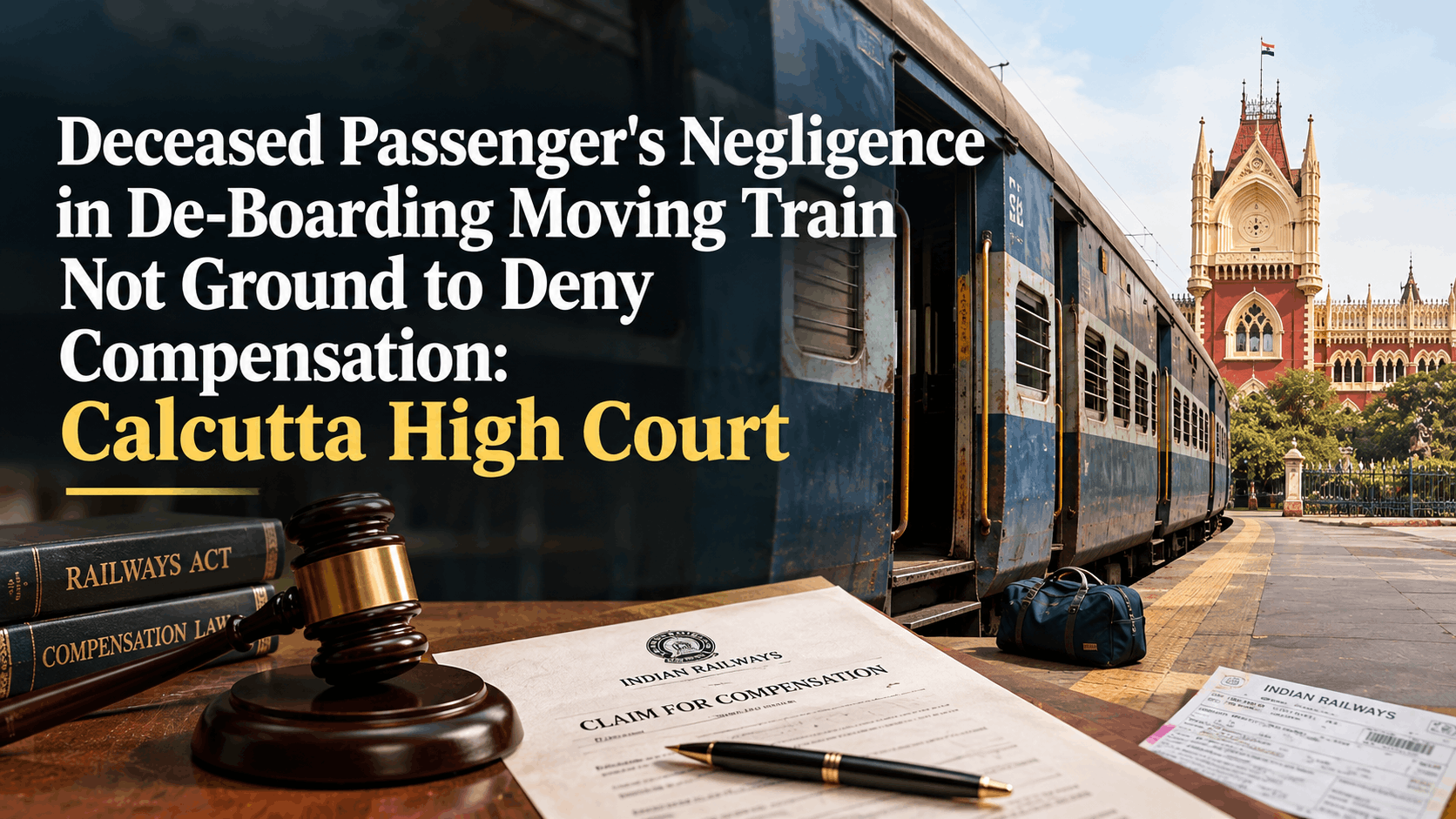
Deceased Passenger's Negligence in De-Boarding Moving Train Not Ground to Deny Compensation: Calcutta High Court
Deceased Passenger's Negligence in De-Boarding Moving Train Not Ground to Deny Compensation: Calcutta High CourtCase Det...
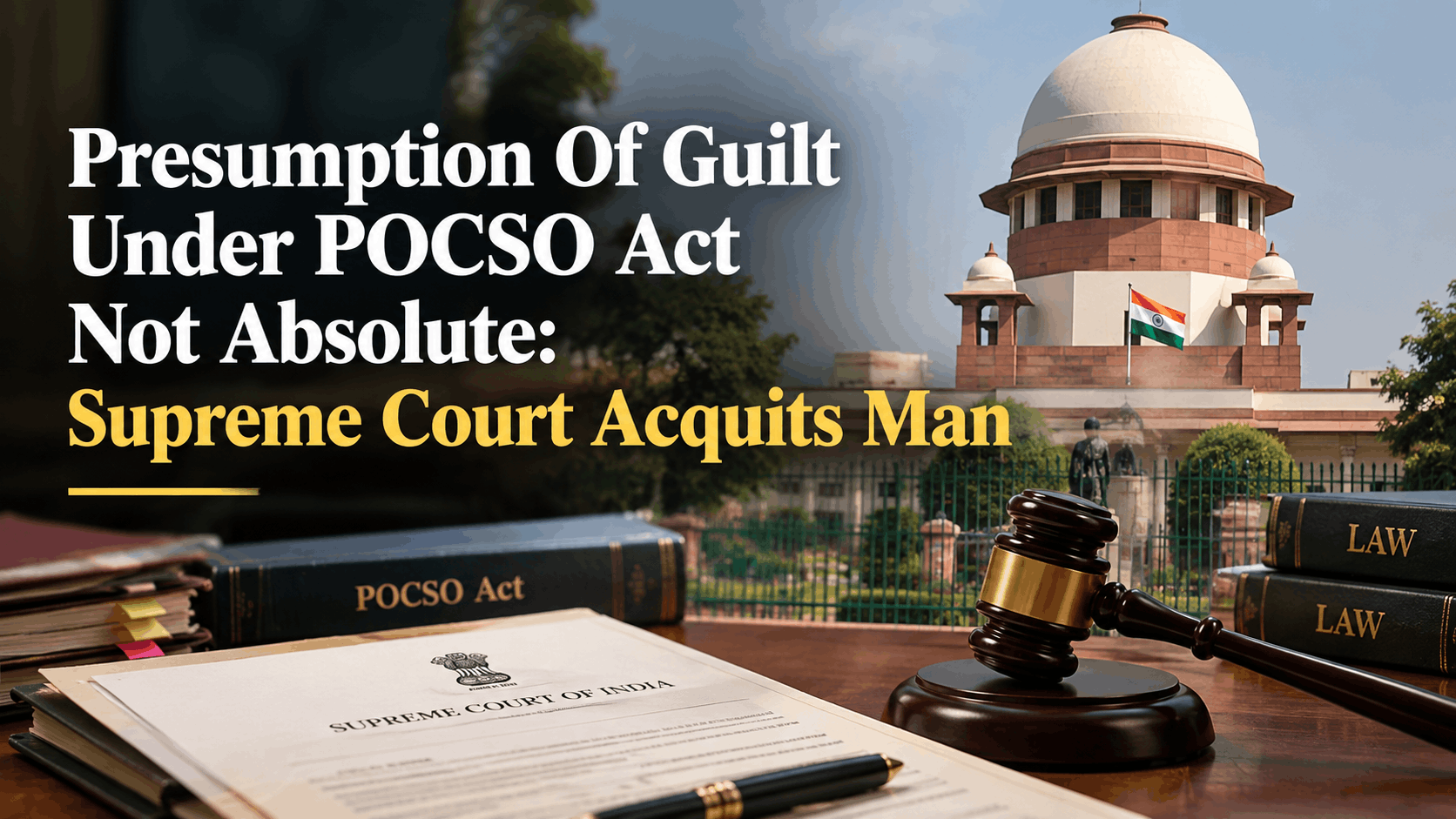
Presumption Of Guilt Under POCSO Act Not Absolute: Supreme Court Acquits Man
Presumption Of Guilt Under POCSO Act Not Absolute: Supreme Court Acquits Man Case DetailsCase Title: Deepak in JC v...
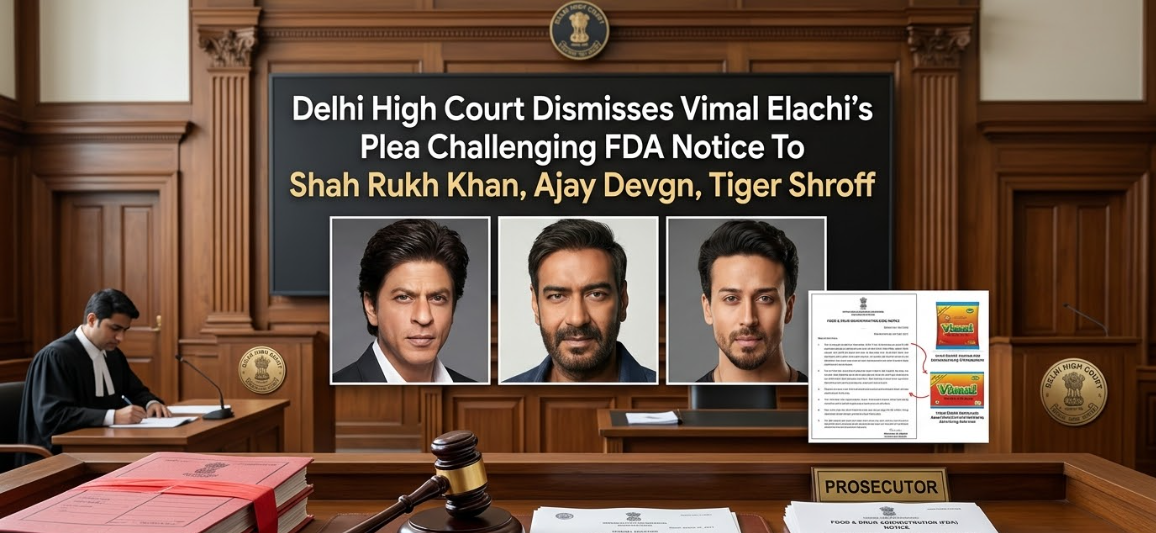
Delhi High Court Dismisses Vimal Elaichi's Plea Challenging FDA Notice To Shah Rukh Khan, Ajay Devgn, Tiger Shroff
Delhi High Court Dismisses Vimal Elaichi's Plea Challenging FDA Notice To Shah Rukh Khan, Ajay Devgn, Tiger ShroffCase D...