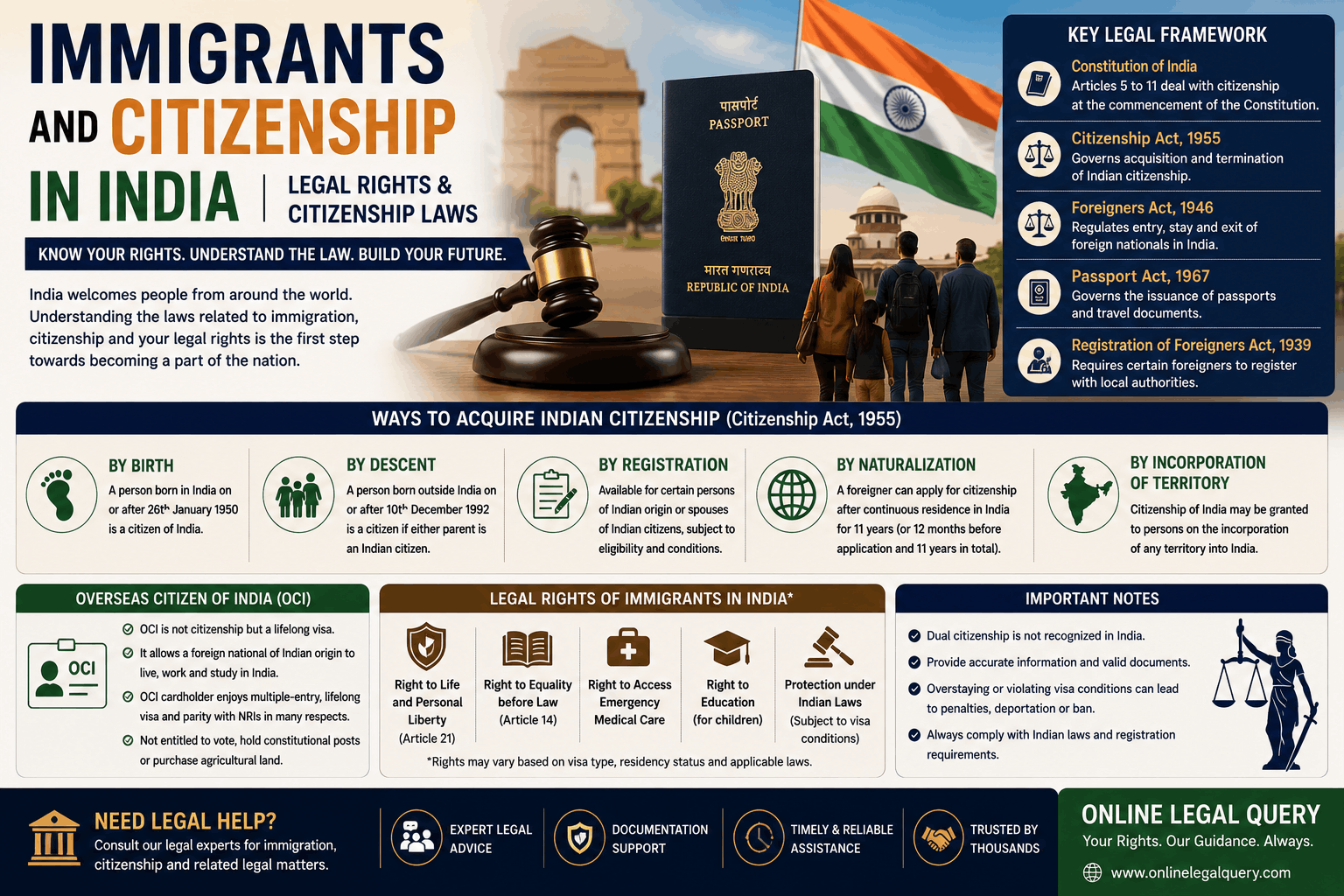
Immigrants and Citizenship
Immigration brings people to a country; citizenship makes them a part of it
“Immigration brings people to a country; citizenship makes them a part of it”.
India is a place where people from all sorts of backgrounds live. People from different countries and parts of India come to live here. Some people come to India to find a job, some for education and some come to get away from bad situations like war, poverty or religious issues. These people are called immigrants in India.
Living in India itself does not make someone a citizen of India. To become a citizen of India, a person has to follow and respect the laws.
Who are Immigrants?
Immigrants are people from another country who come to India to live or to settle permanently. Some come legally with proper documents like visas and passports, but others come illegally without any permission. People usually migrate for many reasons, such as better job opportunities, education, business, marriage, family reasons, or to escape problems like war, poverty, violence, or religious persecution in their home country.
Mostly illegal immigrants come from countries like Bangladesh, Pakistan, Nepal, and Myanmar. These are the countries that share a border with India.
What is Citizenship?
Citizenship is the legal status of a person as a recognised member of a state or nation. It provides citizens with legal rights such as voting, holding a government job and protection by the law. It sets out duties, such as complying with the country's laws and respecting the constitution.
In India, the rules related to citizenship are mentioned under Articles 5 to 11 of the Constitution of India and are governed under the Citizenship Act, 1955.
Ways to acquire citizenship in India
The Citizenship Act, 1955, provides different methods by which a person can acquire citizenship.
1. By birth
A person born in India can get citizenship, but the rules depend on the date of birth and the status of their parents.
2. By Descent
A person born outside India can get citizenship if one or both of the parents were born in India.
3. By registration
A person can get citizenship by applying for registration. This includes both a person who is born in India and a person married to an Indian citizen.
4. By naturalisation
A foreign person who has lived in India for many years and follows all laws, rules and regulations can apply for citizenship through naturalisation.
5. By incorporation of territory
If any territory becomes part of India, the people of that territory can acquire citizenship.
Problem of illegal immigration
Illegal immigration has become a serious problem in India. Many people enter the country without any valid legal documents through the border areas, which makes them illegal immigrants.
Many states of India, like Assam, West Bengal and some North-eastern states, have been dealing with these issues for many years. Illegal immigrants lead to some major issues, such as an increase in population, pressure on jobs, land and resources, and also raises security concerns.
Citizenship Amendment Act (CAA), 2019
The Citizenship Amendment Act,2019, is an important law in India and has been one of the most discussed laws in recent years. It provides a faster way of getting citizenship in India for certain religious minorities, like Hindus, sikhs, Buddhists, Jains, Parsis, and Christians from countries like Pakistan, Bangladesh, and Afghanistan.
This act applies only to the people who entered India before December 31, 2014.
Some people support this law as they believe it helps the minorities, but some criticise it because, according to them, it leads to discrimination against religion.
Rights of Immigrants in India
Immigrants who are not citizens of India also have some rights in India. The Constitution of India provides fundamental rights to everyone and protects everyone's right to life and personal liberty under Article 21. This prevents them from facing any unfair treatment. Immigrants can also enjoy the basic human rights. But they do not possess any political rights, such as voting or running for office. These rights are reserved for citizens only.
Conclusion
Immigration and citizenship are important parts of India’s legal and social system. Many people come to India for different reasons, but citizenship is not an automatic process, and to become an Indian citizen, the person must follow the laws properly. The government has provided laws, rights, and duties to immigrants to make sure that they are treated fairly.
In a country like India, where diversity has always been followed, it is important to balance between humanity and national security. Welcoming the immigrants who are legally approved by the visa and passport shows humanity, but the increase in illegal immigrants can risk the national security in India. The proper laws on immigration and citizenship help in maintaining order, protecting rights, and building a better society. Understanding immigration and citizenship helps people to understand how the law is being operated and its importance in society.
FAQs
OLQ LAW FIRM: Guiding You Through Immigration and Citizenship Matters
1. Who is an immigrant?
An immigrant is a person who moves to another country to live permanently or for a long period.
2. What is citizenship?
Citizenship is the legal status that gives a person rights and duties in a country.
3. Which law governs citizenship in India?
Citizenship in India is mainly governed by the Citizenship Act, 1955.
4. How can a person get Indian citizenship?
Citizenship can be obtained by birth, descent, registration, naturalisation, or incorporation of territory.
5. Can a foreigner apply for Indian citizenship?
Yes, if they fulfil the legal conditions under Indian law.
6. Can Indian citizenship be cancelled?
Yes, in certain cases like fraud, disloyalty, or unlawful acts.
7. What rights do citizens have in India?
Citizens enjoy constitutional rights such as voting, equality, and protection under law.
8. What is the difference between an immigrant and a citizen?
An immigrant is a person living in a country after moving there, while a citizen has full legal recognition and rights in that country.
9. Can immigrants face legal issues in India?
Yes, issues may relate to visas, residency, or citizenship applications.
10. How can OLQ help?
· Legal advice on citizenship laws
· Assistance in citizenship applications
· Guidance on immigration and visa matters
· Documentation support Legal representation in citizenship disputes
Contact OLQ for professional legal consultation on immigration and citizenship matters.
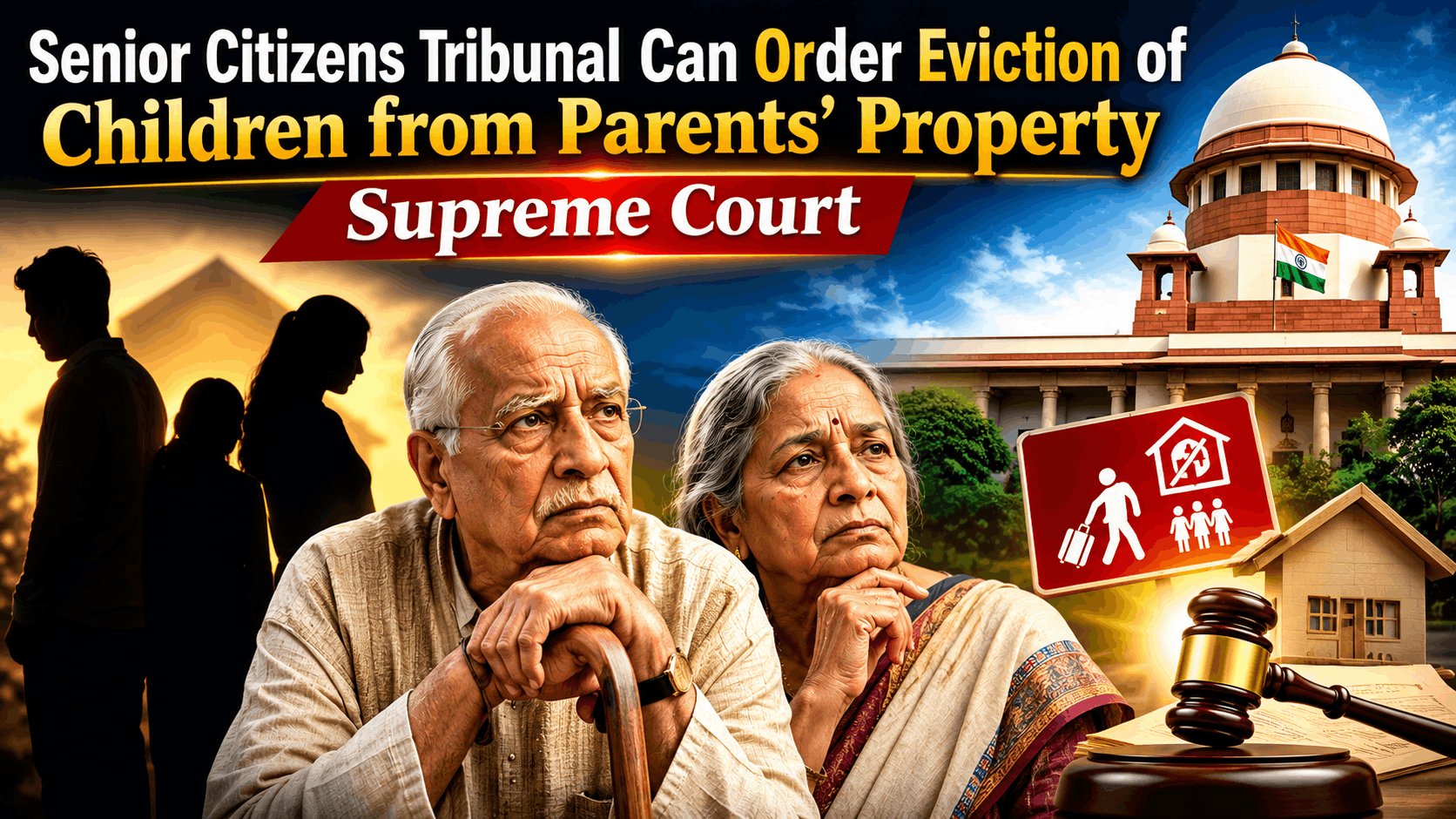


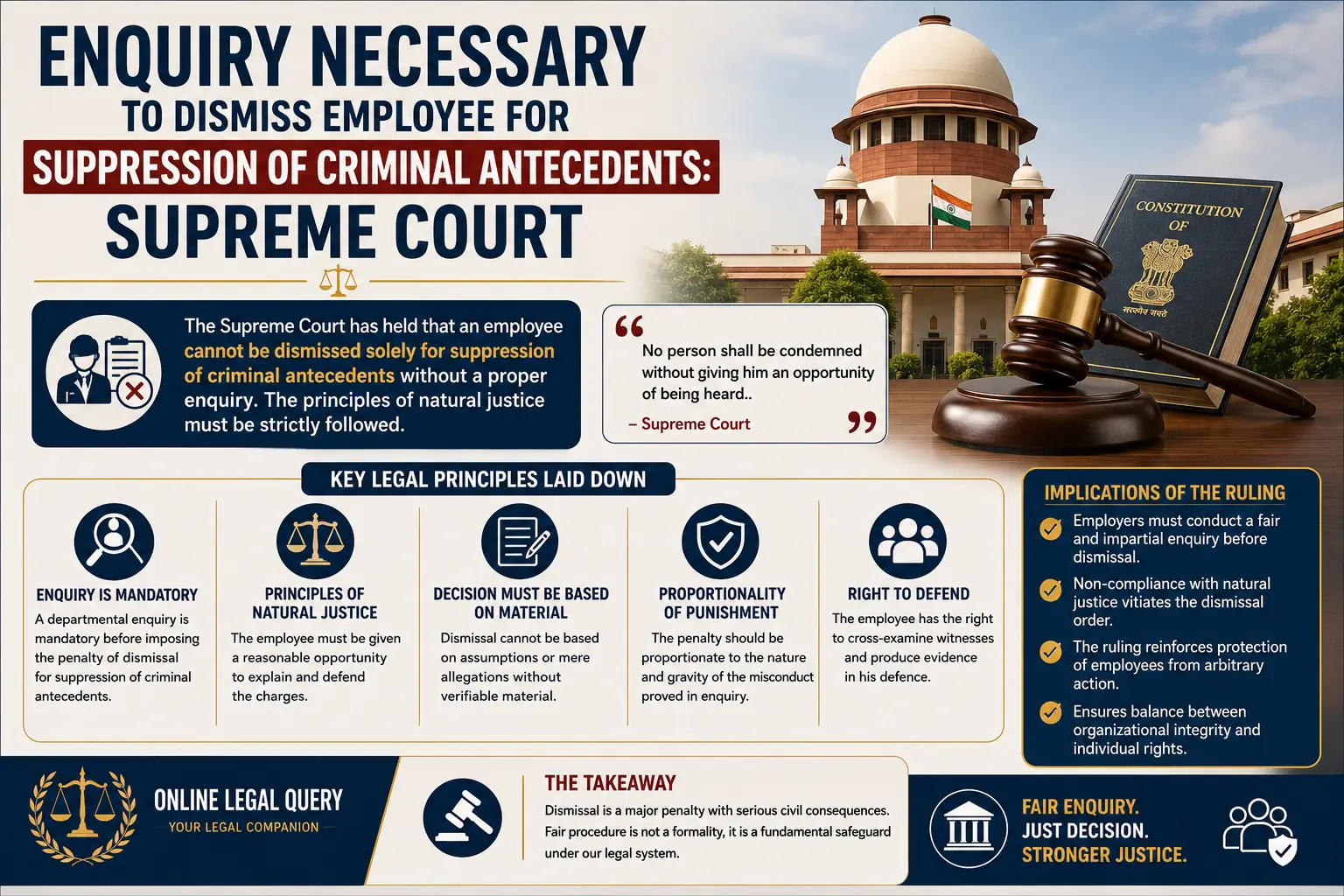
Senior Citizens Tribunal Can Order Eviction of Children from Parents' Property: Supreme Court
Senior Citizens Tribunal Can Order Eviction ofChildren from Parents' Property: Supreme CourtCase DetailsCase Tit...
Anticipatory Bail: A matter of Right or Defence?
Anticipatory Bail: A matter of Right or Defence?IntroductionArrest isn’t the end-Know your rights to legal ProtectionAnt...
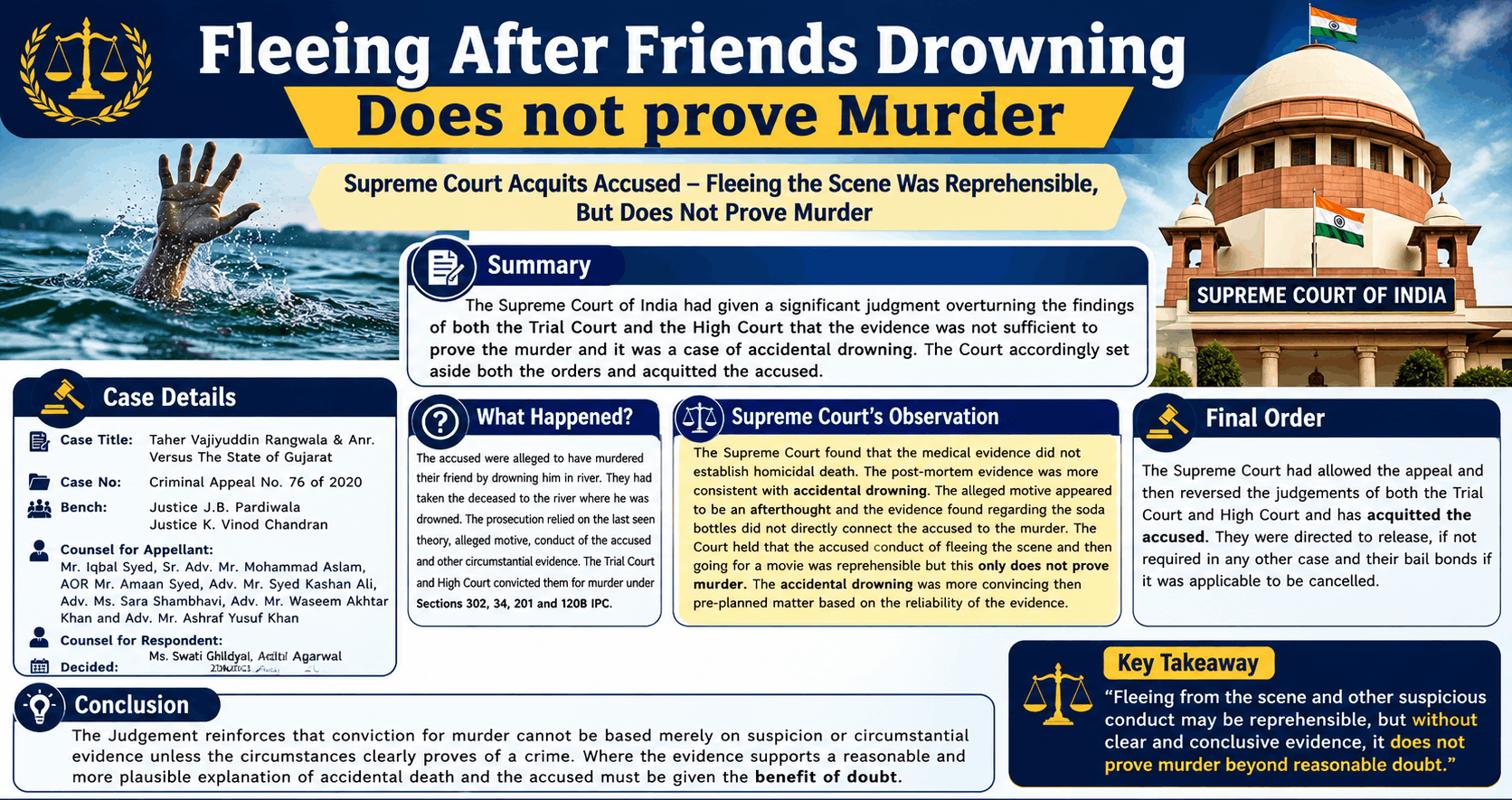
Fleeing After Friends Drowning Does not prove Murder
Fleeing After Friend's Drowning Does not prove MurderCase DetailsCase Title: -Taher Vajiyuddin Rangwala &amp...