
LEGAL RIGHTS OF WOMEN IN LIVE-IN RELATIONSHIPS IN INDIA
Live-in relationships, though not formally recognized as marriages, are increasingly common in India. Over time, courts have extended various legal protections to women in such relationships. These rights include protection under the Domestic Violence Act, maintenance rights, legitimacy of children born from the union, and inheritance rights under certain conditions. This article explores the evolving legal landscape and the safeguards available to women in live-in relationships.
INTRODUCTION
Live-in relationships, where a couple lives together without being legally married, are very common in modern Indian society. It may not be formally recognized by law as marriage but Indian courts have gradually evolved protections especially for women to safeguard their rights in such arrangements.
This blog takes a closer look at how the law views live-in relationships and the important rights it offers to women in such partnerships.
RELEVANT LEGAL PROVISIONS
- Protection under Domestic Violence Act, 2005
Women in live-in relationships are entitled to protection against:
- Physical, emotional and sexual abuse
- Verbal and economic abuse
- Harassment or threats
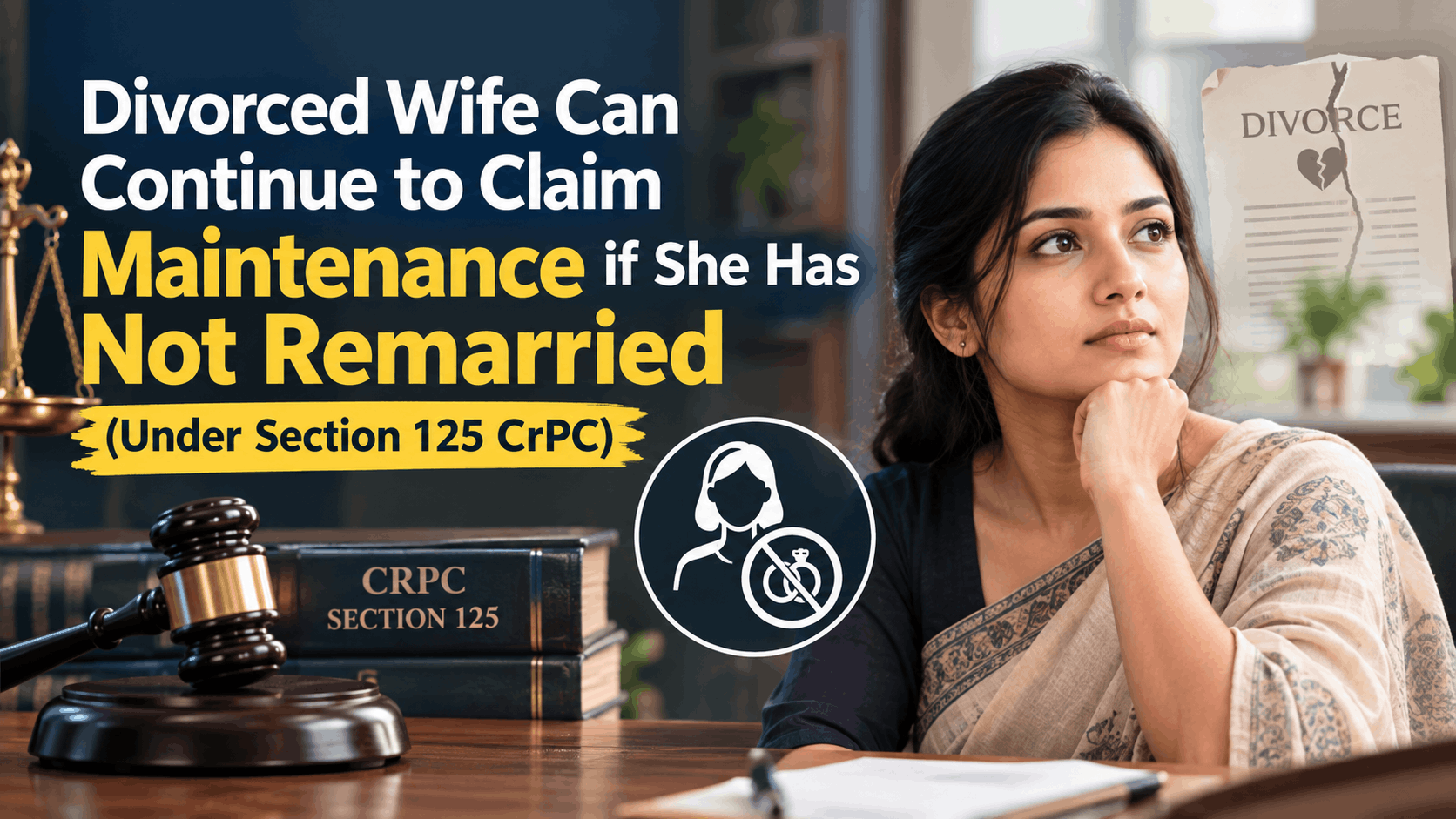
- Right to maintenance
If the relationship is long-term and similar to marriage, women may claim maintenance under:
- Section 125 of Code of Criminal Procedure, 1973
- Section 20 of Domestic Violence Act, 2005
- Right to reside in the shared household
Section 17 of the Domestic Violence Act provides women the right to reside in the shared household, regardless of ownership or rental arrangements. Evicting her without due process is unlawful.
- Rights of children born from live-in relationships
Children from such relationships are considered to be legitimate.
The Supreme Court in a case held that the children born from live-in relationships are entitled to inherit property from their parents, including both self-acquired and ancestral property.
- Inheritance and property rights for women
Although the woman herself may not automatically inherit her parent’s property ( unless named in will), she may seek legal remedies depending on the nature of the relationship and contribution to the household. Each case is fact-specific and may require legal intervention.
RELEVANT CASE LAWS
- Indra Sarma v. V.K.V.Sarma, (2013) 15 SCC 755
Held that not all live-in relationships are entitled to protection under the Domestic Violence Act,2005. However, relationships that are stable and resemble marriage can be covered under “relationship in the nature of marriage”.
- Chanmuniya v. Virendra Kumar Singh Kushwaha, (2011) 1 SCC 141
The Supreme Court recommended that women in live-in relationships should be granted maintenance if the relationship is long-term and stable, to prevent exploitation.
- Tulsa and Ors v. Durghatiya and Ors, (2008) 4 SCC 520
Recognized children born out of live-in relationships as legitimate and entitled to inheritance from their parents.
FAQs
- Is live-in relationship legal in India?
Yes. Although not formally recognized as marriage, live-in relationships are not illegal in India and are supported by judicial precedents.
- Can a woman file domestic violence case against her live-in partner?
Yes. If the relationship is “in the nature of marriage”, she can seek remedies under the Protection of Women from Domestic Violence Act, 2005.
- Can a woman claim maintenance in a live-in relationship?
Yes, if the relationship is stable and resembles a marriage. Courts can award maintenance under the Domestic Violence Act,2005 or Section 125 of Code of Criminal Procedure, 1973.
- Do women have any rights to the property of their live-in partner?
Not automatically. However, she can claim residence rights in the shared household and depending on the facts, may assert equitable or legal claims through a court.
- Are children born from live-in relationships legitimate?
Yes. Indian courts have consistently held that children from live-in relationships are legitimate and have inheritance rights from both parents.
- How can a woman prove the existence of a live-in relationship in court?
Proof may include joint bank accounts, shared household expenses, rental agreements, photographs, travel records and witness statements.
- Can the woman be evicted from the shared house?
No. Under section 17 of the Domestic Violence Act, she has a right to reside in the shared household and cannot be evicted without due legal process.
CONCLUSION
The blog provided an overview of the legal rights available to women in live-in relationships under Indian law, including protections under the Domestic Violence Act, rights to maintenance, residence and the legitimacy of children. As live-in relationships become more common, it is essential that legal awareness keeps pace with changing social realities . Ensuring that women in such arrangements are not left vulnerable is a necessary step toward a more inclusive and equitable legal system.




Supreme Court on DNA Verification Before Adoption: Sensitive Issue in Missing Children Cases
Case DetailsCase Title: Reepak Kansal v. Union of India & Ors.Case No.: W.P.(C) No. 509/2026Bench: Chief Justice Sur...
Supreme Court: Loan EMIs Cannot Reduce Wife’s Maintenance, ₹25,000 Monthly Granted
Case: Deepa Joshi v. Gaurav Joshi (2026)Court: Supreme Court of IndiaBench: Justice Sanjay Karol & Justice Augustine...
When Can a Plaint Be Rejected?- Supreme Court
Background of the CasePrevious legal proceedings that start with family property litigation will convert into more compl...