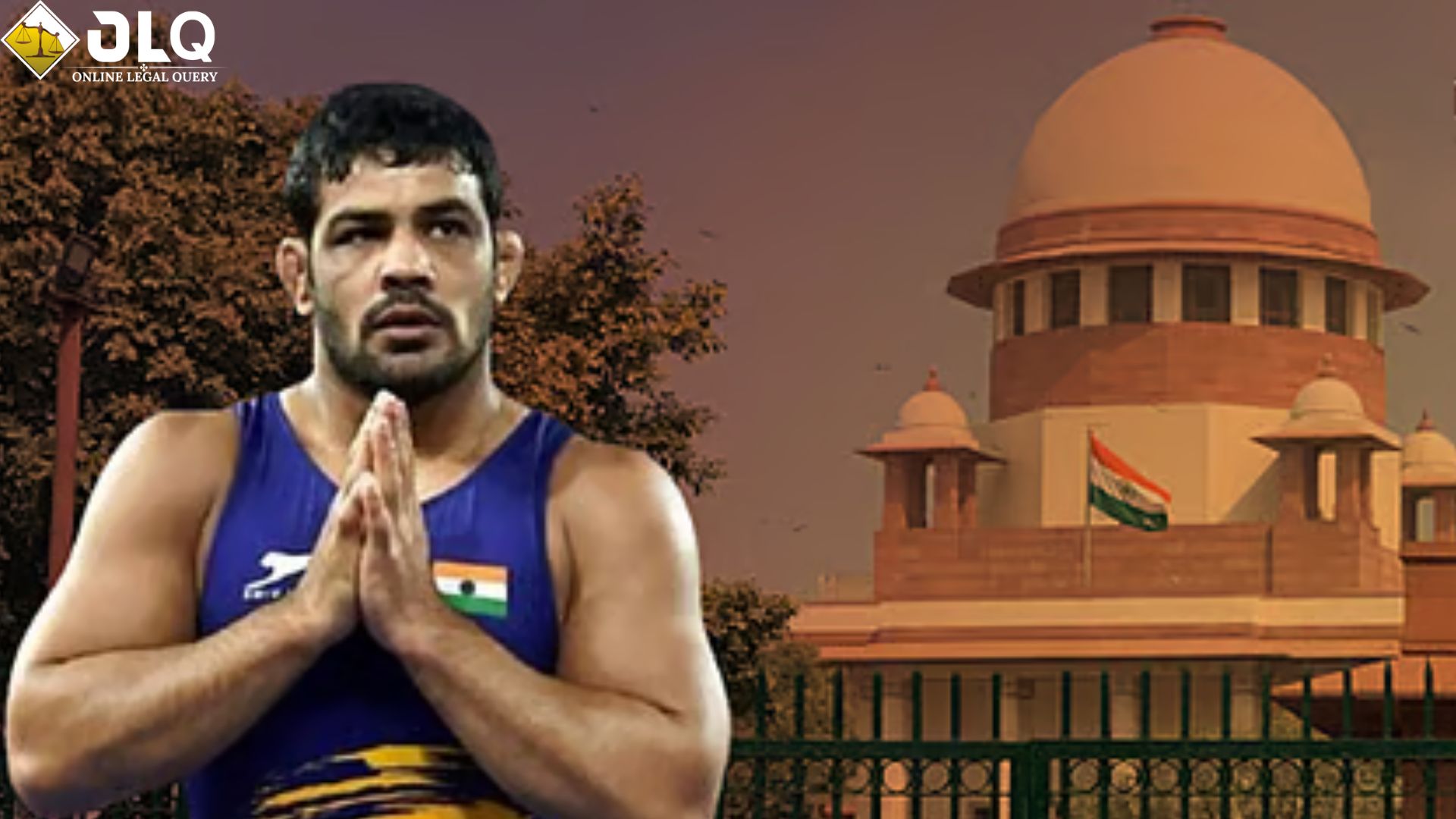
Supreme Court Cancels Bail of Olympian Wrestler Sushil Kumar in Murder Case: What You Need to Know
The Supreme Court of India has cancelled the bail granted to Olympian wrestler Sushil Kumar in the 2021 Sagar Dhankar murder case. Setting aside the Delhi High Court’s order, the Court cited the gravity of the charges, the risk of witness tampering as 28 out of 35 witnesses had turned hostile, and the need to protect trial integrity. The judgment emphasizes that celebrity status cannot shield an accused from the law and underlines the judiciary’s responsibility to ensure fair trials in serious criminal cases.
Introduction
The Supreme Court of India frequently cancelled the bail of Olympian wrestler Sushil Kumar in the 2021 Sagar Dhankar murder case. The decision has drawn nationwide attention, not only because of Sushil Kumar’s celebrity status as a two-time Olympic medallist, but also because it underlines the seriousness with which courts treat bail in cases involving grave charges like murder.
Background of the Case
In May 2021, a violent clash took place at Delhi’s Chhatrasal Stadium, allegedly over a property and financial dispute. The incident led to the death of 23-year-old wrestler Sagar Dhankar and injuries to two of his friends. After the incident, Sushil Kumar emerged as the main accused in the case. He absconded for several days before being arrested by Delhi Police later that month.
The case has been in trial since then, with the prosecution presenting multiple witnesses and evidence. Given his stature in sports, the case has remained in the public eye.
Bail Granted by High Court
In March 2025, the Delhi High Court granted bail to Sushil Kumar, observing that he had remained in custody for over three and a half years while the trial was moving at a slow pace. At that stage, only a few of the prosecution witnesses had been examined. The High Court considered prolonged incarceration a ground for granting bail.
Supreme Court’s Reversal
The family of the deceased challenged the bail before the Supreme Court. After hearing arguments, a bench led by Justices Sanjay Karol and P.K Mishra set aside the High Court’s order.
The Supreme Court stressed three key reasons:
- Seriousness of the charges – The case involves murder, a non-bailable offence of the highest gravity.
- Risk to trial fairness – Out of 35 key witnesses, 28 had already turned hostile, suggesting the possibility of undue influence or intimidation.
- Public interest and accountability – As a celebrated athlete, Sushil Kumar’s stature cannot shield him from the consequences of law.
The Court observed that liberty of an accused must always be balanced against the integrity of the trial and protection of witnesses.
What Lies Ahead
The Supreme Court has directed Sushil Kumar to surrender within one week. He can, however, approach the lower court for bail again in the future if there is a change in circumstances. For now, the focus will shift back to the ongoing trial, where the testimonies of remaining witnesses will play a crucial role.
Conclusion
The Supreme Court’s decision to cancel Sushil Kumar’s bail sends a strong message: no one is above the law, regardless of fame or achievements. The ruling underscores the importance of safeguarding witness testimony and ensuring that trials remain free from influence or fear. While the final verdict in the murder case is still awaited, this development highlights the judiciary’s role in upholding justice in serious criminal matters.

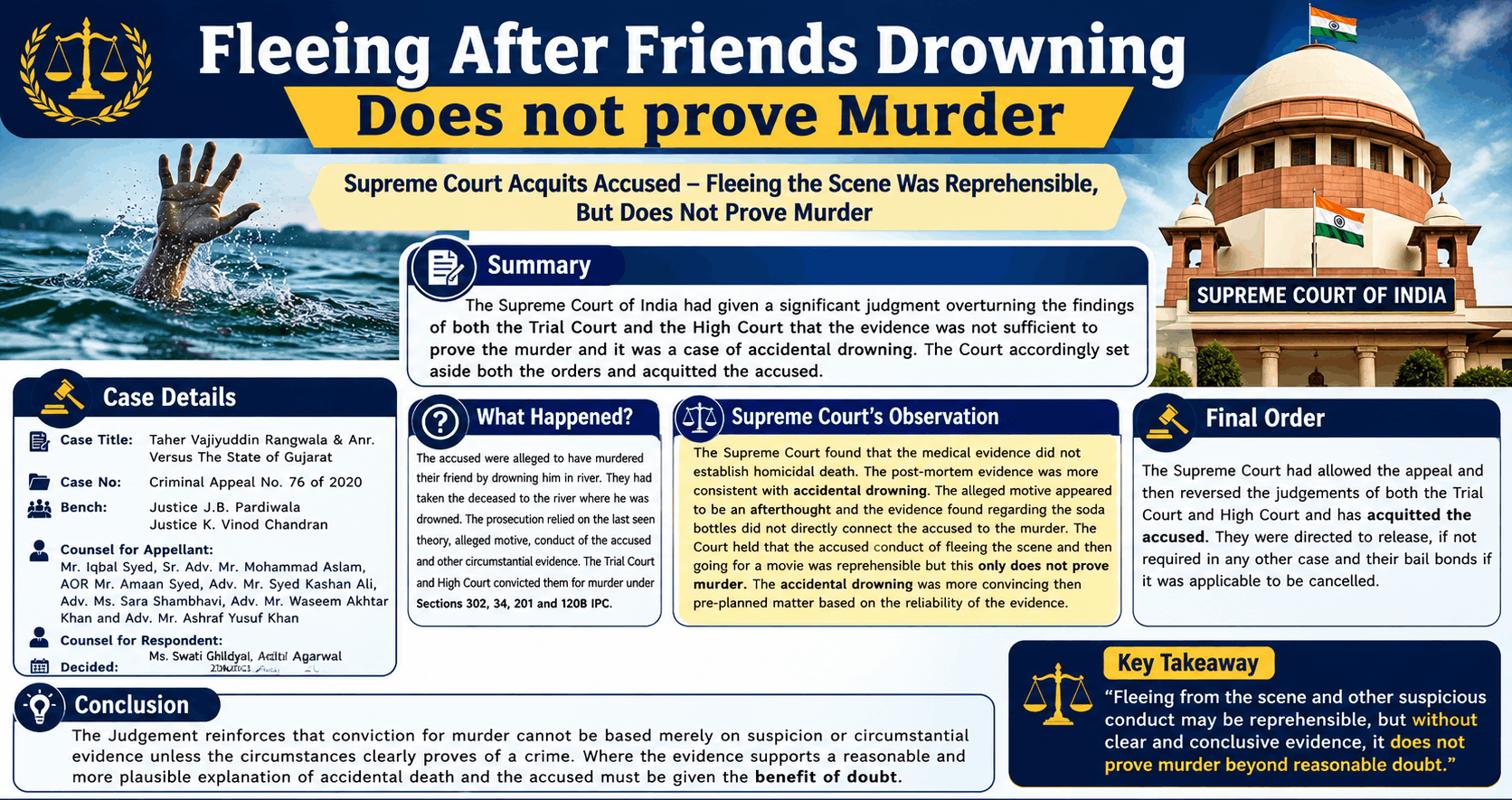


Supreme Court Grants Bail After 9 Years of Custody, Reiterates Right to Speedy Trial Under Article 21
Case TitleVaibhav Singh v. State of Uttar PradeshSLP (Crl.) No. 7416/2026BenchJustice J.B. Pardiwala and Justice Ujjal B...
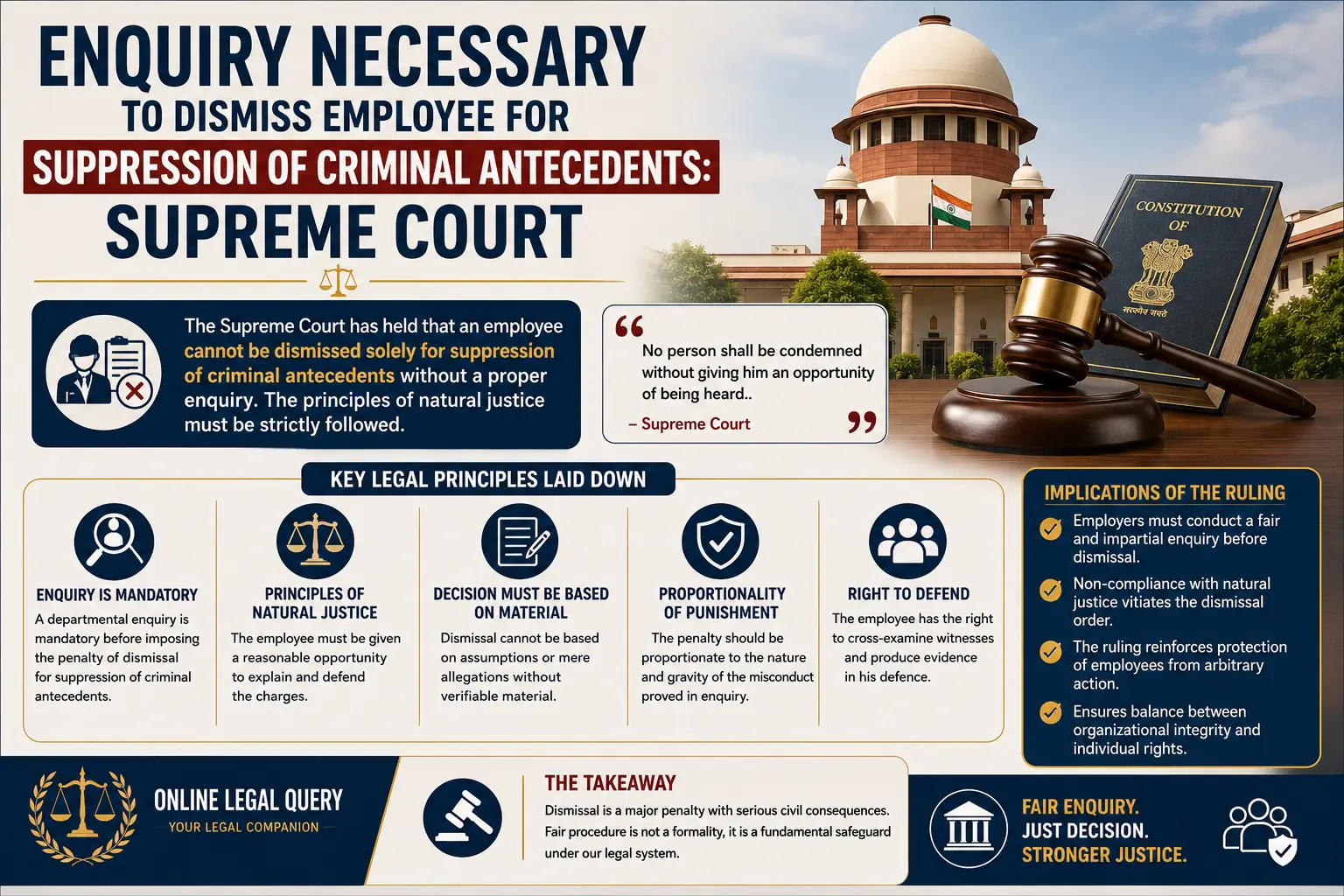
Supreme Court: No Anticipatory Bail Needed in Private Complaint Cases Without Arrest Risk | Om Prakash Chhawnika Case
Case TitleOm Prakash Chhawnika @ Om Prakash Chabnika vs State of Jharkhand & Anr.BenchJustice J.B. Pardiwala and Jus...
How to File a Bail Application in Kolkata
How to File a Bail Application in KolkataA bail application is filed to seek the release of an accused person from custo...